Study Rave: Why Gen Z Is Throwing Parties in Study Halls
Credit: IG/@o3space
Key Takeaways
- •Melbourne's O3 Space Study Rave combines the Pomodoro technique with DJ sets — 25 minutes of studying followed by 5 minutes of dancing, with memberships starting at AUD 14.99 per month
- •Neuroscience research confirms that 5 minutes of high-intensity dancing triggers dopamine and norepinephrine release, pushing the brain into a more efficient learning state
- •A DJ party at Texas coffee shop Latt3 expected 40 people but drew hundreds, reflecting Gen Z's intense demand for alcohol-free social experiences
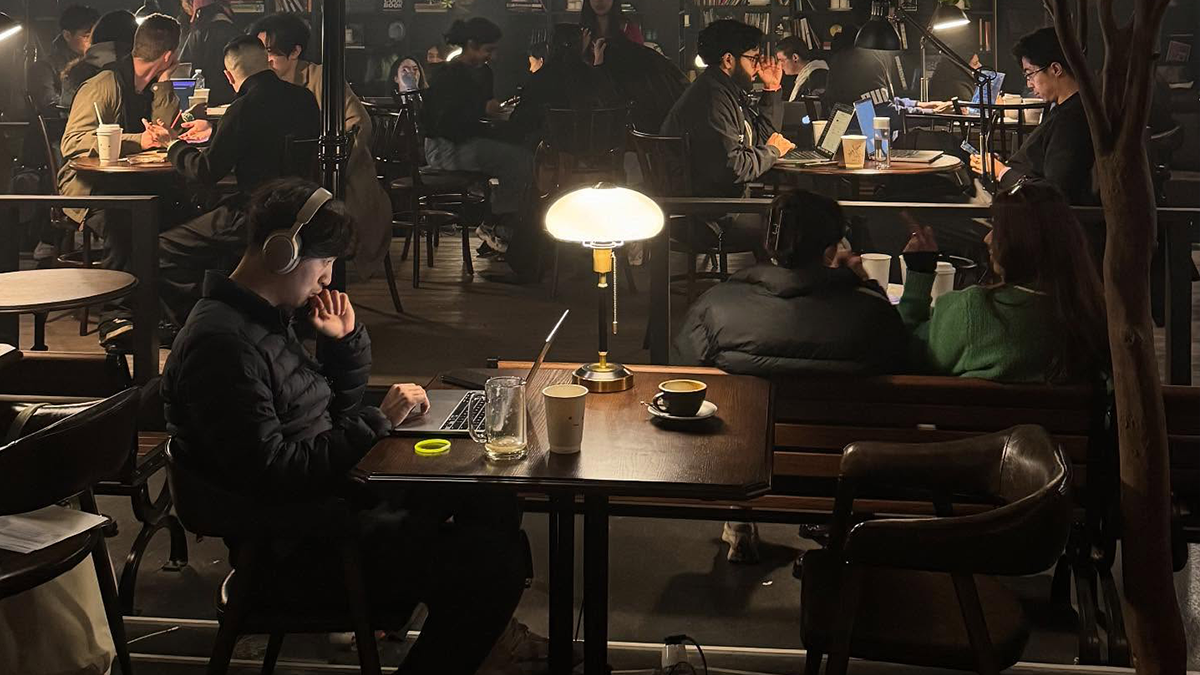
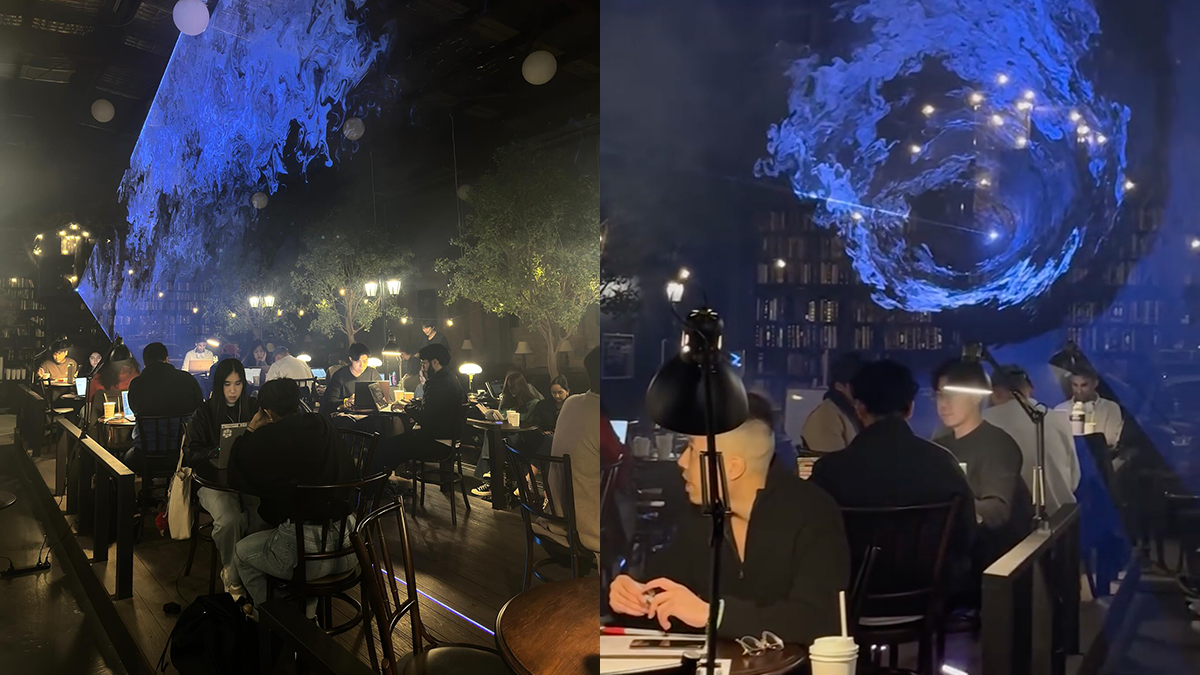
Inside a building in Melbourne's Southbank, lights flash, electronic music blasts from speakers, and fog fills the air. But this isn't a nightclub. The tables hold laptops and textbooks, not cocktail glasses.
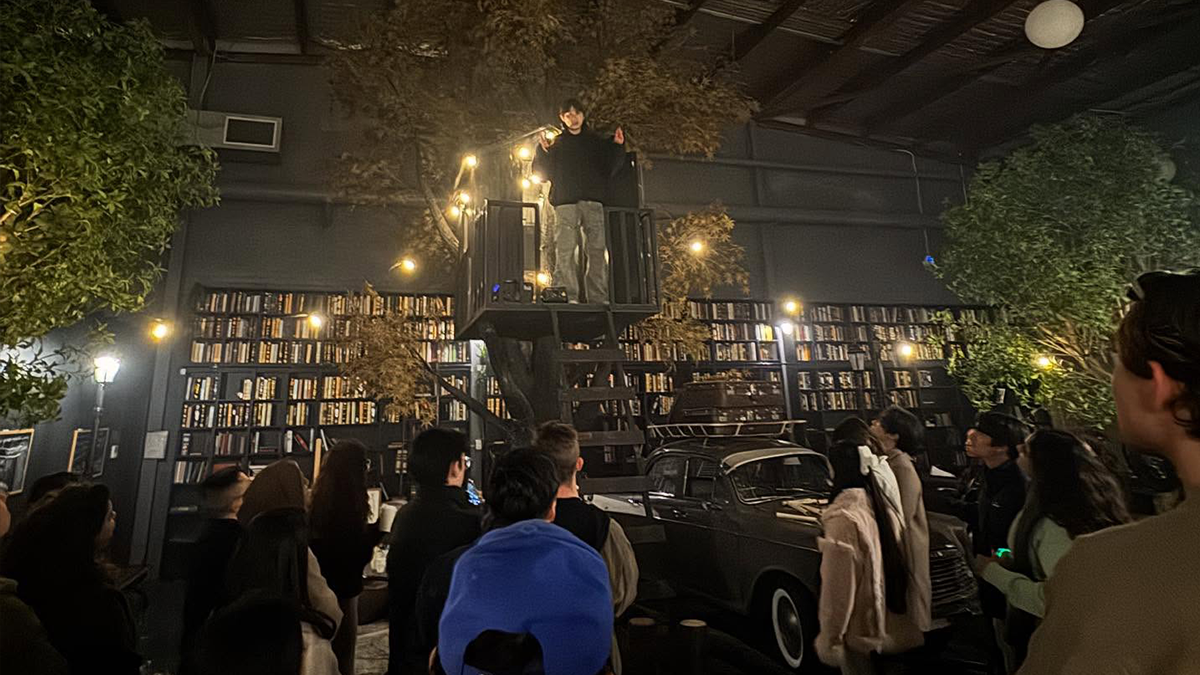
This is O3 Space, a membership-based coworking space that recently went viral on social media for an event called "Study Rave." The rules are simple: you come here to study, but the setting is a party. A DJ spins tracks while you write your essay. When you're tired, stand up and dance for a few minutes, then sit back down and keep studying.
It sounds absurd. But it works. And it's spreading from Melbourne to the rest of the world.
O3 Space: An Experiment in the "Third Place"
O3 Space opened in early 2025 on Queensbridge Street in Melbourne's Southbank. It positions itself as a "third place" between work and play. Membership comes in three tiers: Brokie (AUD 14.99/week), Ghost (AUD 29.99), and Villain (AUD 39.99), all offering 24/7 access.
The space features plenty of charging stations, free WiFi, meeting pods, and a self-service convenience store. Students make up the largest membership group. But what made O3 go viral wasn't the amenities — it was the regularly held Study Rave events.
Study Rave works like a party version of the Pomodoro Technique: 25 minutes of focused study, followed by a 5-minute music break. But "break" doesn't mean quietly sipping water. The DJ cranks the volume to max, everyone leaves their seats and dances. After 5 minutes the music stops, everyone sits back down, and studying resumes.
Why "Studying While Partying" Actually Works
Study Rave sounds like the opposite of studying. But neuroscience offers a surprising explanation.
Brief, high-intensity physical activity (like dancing for 5 minutes) triggers the release of dopamine and norepinephrine. These two neurotransmitters happen to be the key chemicals for attention and motivation. In other words, after dancing for 5 minutes and sitting back down, your brain is chemically in a state that "wants to learn more."
Even more important is the "collective effect." When you study alone at home, your focus depends solely on willpower. But at a Study Rave, you're surrounded by people who are also studying. The "Social Facilitation" effect in social psychology tells us: when you know the people around you are doing the same thing, your performance naturally improves. You don't want to be the only person scrolling their phone during study time.
An Extension of the Sober Rave Movement
Study Rave didn't appear out of nowhere. It's a branch of a larger cultural trend: the Sober Rave movement.
Over the past few years, alcohol-free parties led by groups like Morning Gloryville and Daybreaker have popped up in cities around the world. Participants gather at 6 AM, dance completely sober, then head to work. The philosophy: you don't need alcohol to experience the joy of collective energy and music.
Study Rave takes this idea one step further: not only don't you need alcohol to dance, you can even do productive work between dance breaks. Partying and productivity aren't opposites. They can be two sides of the same experience.
Latt3 in Texas is another example. Founder Thanh Pham started hosting daytime DJ parties in early 2025, where participants dance with a latte in one hand. He expected 40 attendees. Hundreds showed up. Texas Monthly reported that the trend reflects Gen Z's strong desire to "socialize without needing alcohol."
What You Don't Know: Why Study Rave Has Especially High Potential in Asia
Study Rave is currently popular mainly in Australia and the West. But it may have an even bigger market in Asia, due to the region's study culture.
In Japan, 24-hour "study rooms" (manga-café-style paid study spaces) have existed for decades. In South Korea, "study cafes" are standard for university students. In Hong Kong, public libraries are packed every day during exam season. Young people in Asia don't lack "places to study" — what they lack is "ways to make studying less painful."
That's exactly what Study Rave offers. It doesn't change what you study (that's still your textbook), but it changes the experience of studying (from a solitary grind to a collective ritual). In a culture that treats studying as "something you must endure," a space that treats it as "something you can enjoy" might be more than a business — it could be a revolution.
Pomodoro Technique x Nightclub = Gen Z's Way of Learning
Back to O3 Space. 25 minutes of studying. 5 minutes of dancing. Another 25 minutes of studying. Another 5 minutes of dancing. After four cycles, you've studied for two hours without even noticing.
Traditional study methods demand that you "sit still" for four hours. Study Rave acknowledges a truth that traditional methods refuse to admit: human attention wasn't designed to run continuously for four hours. It was designed for short bursts. 25 minutes of full concentration, then release, then concentrate again.
The DJ isn't decoration. They serve as an external rhythm controller. When the music stops, your body automatically enters "quiet" mode. When the music starts, your body automatically enters "release" mode. You don't need willpower to switch states. The music does it for you.
Perhaps the most important insight from Study Rave isn't about studying. It's about whether suffering is necessary. We've been taught that studying should be quiet, solitary, and grueling. But what if there's a way to make studying musical, social, and rhythmic, while your grades stay the same or even improve?
Then why choose suffering?
FAQ
▶How does Study Rave work?
Combining the Pomodoro Technique with DJ parties—25 minutes of focused studying followed by 5 minutes of everyone dancing, a viral hit at Melbourne's O3 Space.
▶What scientific evidence supports dancing's effect on study focus?
Neuroscience confirms that brief dancing releases dopamine, which can enhance subsequent concentration, making study sessions more productive.
▶How far has Study Rave spread?
The concept originating from the sober party movement is spreading from Australia to university campuses worldwide, challenging the silent rules of traditional study halls.
參考資料
O3 Space Melbourne — Study Rave Official
Harvard Health — Exercise and Dopamine Release
Psychology Today — Social Facilitation Effect
留言 (0)
登入後可以留言。
延伸閱讀

What We Lack Isn't Advice, But Someone Willing to Listen: Gen Z's Need to Be Heard
79% of Gen Z have experienced loneliness, and the U.S. Surgeon General has declared loneliness an epidemic. But what they truly need isn't more advice
What We Lack Isn't Advice, But Someone Willing to Listen: Gen Z's Need to Be Heard
79% of Gen Z have experienced loneliness, and the U.S. Surgeon General has declared loneliness an epidemic. But what they truly need isn't more advice

Why Broken Fairy Tales Are More Popular Than Perfect Ones: Gen Z's Dark Reimagining Trend
Indonesian artist Andhika Muksin uses digital art to give Disney princesses dark circles, oily skin, and awkward expressions, earning millions of inte
Why Broken Fairy Tales Are More Popular Than Perfect Ones: Gen Z's Dark Reimagining Trend
Indonesian artist Andhika Muksin uses digital art to give Disney princesses dark circles, oily skin, and awkward expressions, earning millions of inte

Opposites-Attract Friendships: Why Two Completely Different People Together Look Better Than Any Content
Two neighboring houses in Santa Monica, one pink and one black, perfectly embody the metaphor of opposites-attract friendships. Gen Z is the loneliest
Opposites-Attract Friendships: Why Two Completely Different People Together Look Better Than Any Content
Two neighboring houses in Santa Monica, one pink and one black, perfectly embody the metaphor of opposites-attract friendships. Gen Z is the loneliest

Cosplay Sports Day: When the Track Becomes a Stage, Creativity Is the Ultimate Sportsmanship
Hong Kong's HKICC Lee Shau Kee School of Creativity holds an annual cosplay sports day where students compete in character costumes. The 'Form 6 Gradu
Cosplay Sports Day: When the Track Becomes a Stage, Creativity Is the Ultimate Sportsmanship
Hong Kong's HKICC Lee Shau Kee School of Creativity holds an annual cosplay sports day where students compete in character costumes. The 'Form 6 Gradu

Fix Yourself First, Then Love: Why Gen Z Chooses Healing Before Dating
42% of Gen Z are currently in therapy, a 22% increase since 2022. The viral TikTok trend 'Boysober' reflects this generation's decision to prioritize
Fix Yourself First, Then Love: Why Gen Z Chooses Healing Before Dating
42% of Gen Z are currently in therapy, a 22% increase since 2022. The viral TikTok trend 'Boysober' reflects this generation's decision to prioritize

YUKIO the Snow Boy: Why Gen Z Fell in Love with a Deadpan Face
Japanese character YUKIO (Snow Boy) went viral across Japan's souvenir market with his signature deadpan expression, spawning regional limited edition
YUKIO the Snow Boy: Why Gen Z Fell in Love with a Deadpan Face
Japanese character YUKIO (Snow Boy) went viral across Japan's souvenir market with his signature deadpan expression, spawning regional limited edition