Toyota Mobi: A Self-Driving Concept Car Designed for Kids Is Redefining Childhood Freedom
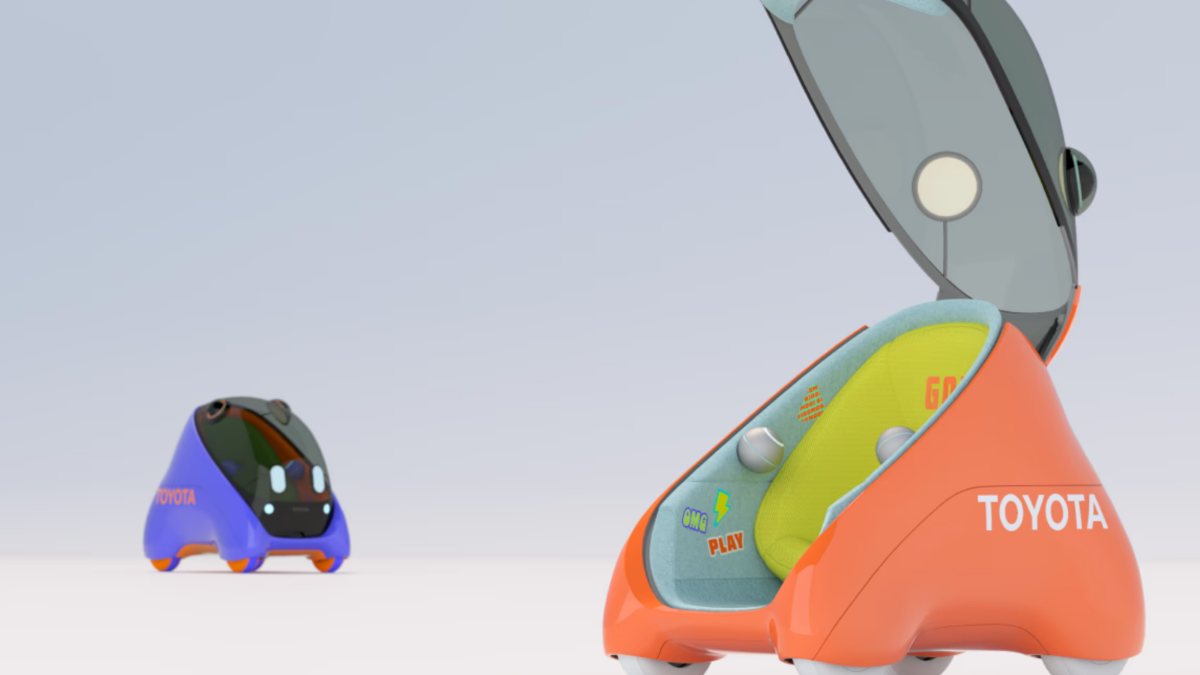
Credit: IG/@toyota_jp
Key Takeaways
- •Toyota Mobi debuted at the October 2025 Japan Mobility Show with a round transparent bubble body equipped with multiple sensors and cameras
- •The onboard AI companion UX Friend can chat and play games with children, adjusting its conversation style based on their emotions — its LED eyes blink and frown
- •Children's independent mobility range has been shrinking for the past 50 years; Mobi proposes a radical solution to expand childhood freedom through autonomous driving
At the 2025 Japan Mobility Show, Toyota unveiled a vehicle you never imagined could exist. It's not a sports car, not an SUV, not an electric sedan. It's a fully autonomous electric vehicle designed specifically for children, called "Mobi."
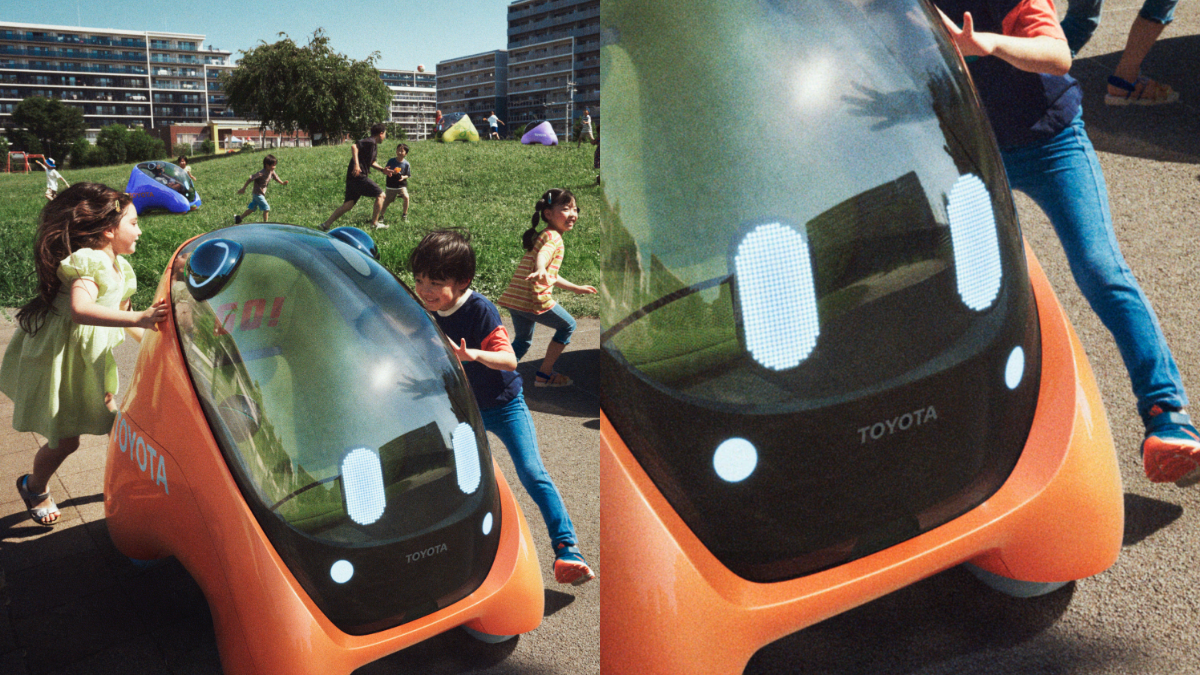
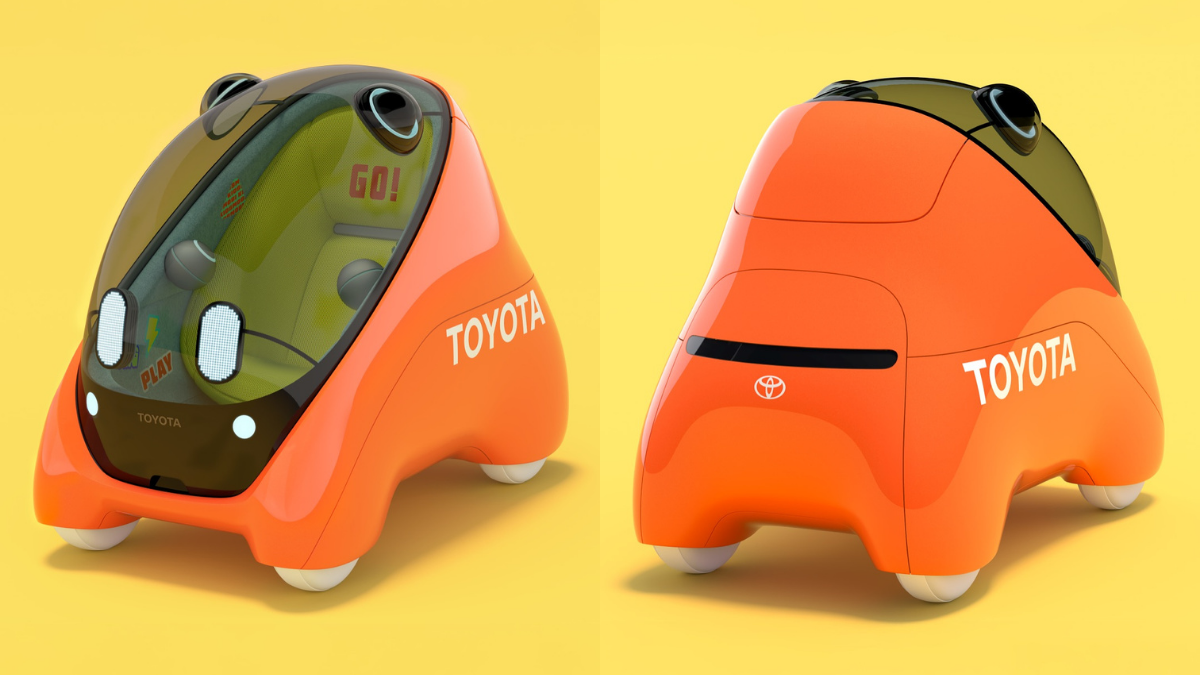
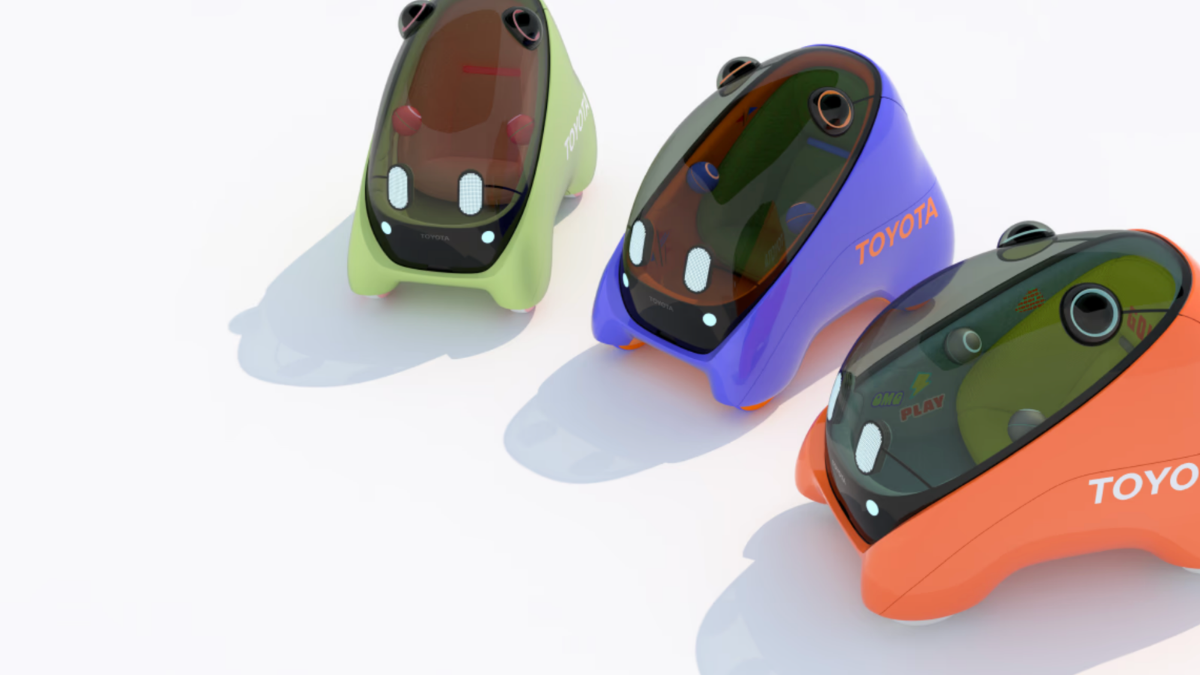
A round, transparent bubble-shaped body, an enclosed cabin, glowing LED "eyes," and sensor units on the roof that look like ears. It doesn't look like a car — it looks like a mobile toy borrowed from the future.
But it's not a toy. It's Toyota's serious proposal for "children's mobility freedom."
What Is Mobi
Mobi is a fully autonomous electric vehicle designed to transport children within safe boundaries. Inside is an AI companion called "UX Friend" that can chat with the child, navigate, play games, and maintain interaction throughout the journey.
The body features a rounded, enclosed design to maximize protection of the child inside during transit. The seats are covered in plush material, giving children the feeling of being "at home." Multiple sensors and cameras around the body detect road conditions and obstacles.
Toyota's showcase took place at the Japan Mobility Show from October 30 to November 9, 2025. Mobi is not a production-ready vehicle. It's a concept, a question: what would the world look like if children could "drive" themselves to school?
Why a Children's Car Sparked a Global Conversation
Mobi went viral on social media not because of its technical specs, but because it touched on an anxiety every parent shares: would you let a machine carry your child?
Carscoops headlined it directly: "Would You Trust This Tiny Toyota To Drive Your Kid To School?" Behind this question lies not a technical problem, but a trust problem. Autonomous driving technology is already mature enough to operate on highways. But "carrying adults on highways" and "carrying children through neighborhoods" are psychologically completely different.
Adults in autonomous vehicles can at least take over the steering wheel in an emergency. But a six-year-old can't. Mobi's existence forces us to confront a fundamental question: is there an age limit to our trust in AI?
What You Don't Know: Mobi's "Eyes" Are More Than Decoration
The LED "eyes" on Mobi's front simulate facial expressions. They "blink" while waiting, "look toward" the turning direction when cornering, and "frown" when detecting obstacles.
This design isn't for cuteness. It's an application of Human-Robot Interaction (HRI) research. Studies show that when machines display signals resembling facial expressions, humans (especially children) develop higher trust and affinity toward them. Mobi's "eyes" transform a machine from a "vehicle" into a "companion."
For a child, riding in a car that "watches over you" versus riding in a car that "is just moving" creates a completely different psychological experience. The former makes you feel cared for. The latter makes you feel transported.
UX Friend: The AI Companion Inside the Car
Mobi's AI system "UX Friend" is more than a navigation assistant. It's designed as a companion for children. It adjusts its conversation style based on the child's emotions, provides games and stories during long trips, and speaks in a soothing tone when the child is anxious.
This reflects Toyota's redefinition of "mobility." Traditional vehicles only care about getting "from A to B." Mobi cares about "how the passenger feels during the journey from A to B." And when the passenger is a child who might be scared, bored, or excited, "feeling" is ten thousand times more important than "speed."
The Cultural Significance of Childhood Mobility
Mobi sparked more than a technical discussion. It touches on a deeper cultural issue: the shrinking range of modern children's independent movement.
In the 1970s, children in the West and Japan could roam independently over a much larger area than today. They could bike to friends' houses, walk to school, and freely explore their neighborhoods. But over the past fifty years, due to traffic safety concerns, crime fears, and a culture of overprotection, children's independent range of activity has continuously shrunk.
Mobi proposes a radical alternative: if we can't make roads safer for children, we can make "vehicles" safer for children. Not restricting children's freedom, but using technology to expand it.
A round bubble car carrying a six-year-old through the neighborhood. AI chatting with him along the way. Sensors ensuring he encounters no danger. When they arrive, the door opens and the child walks out on his own.
This scene could be utopia, or it could be everyday life in ten years. And Toyota used a concept car to ask a question everyone must answer: how much freedom are we willing to give the next generation?