NASA Birthday Photo: What the Universe Looked Like the Day You Were Born
Credit: IG/@nasa
Key Takeaways
- •NASA's Hubble Birthday tool lets you enter your birthday to see the Hubble Space Telescope's photo from that day, periodically going viral on social media worldwide
- •Since its 1990 launch, Hubble has operated for 35 years, completing nearly 1.7 million observations of 55,000 astronomical targets, with papers cited over 1.3 million times
- •Each share triggers 3 to 5 people to look up their own birthday photo — built at nearly zero cost yet generating astronomical brand exposure
What was the universe doing on the day you were born?
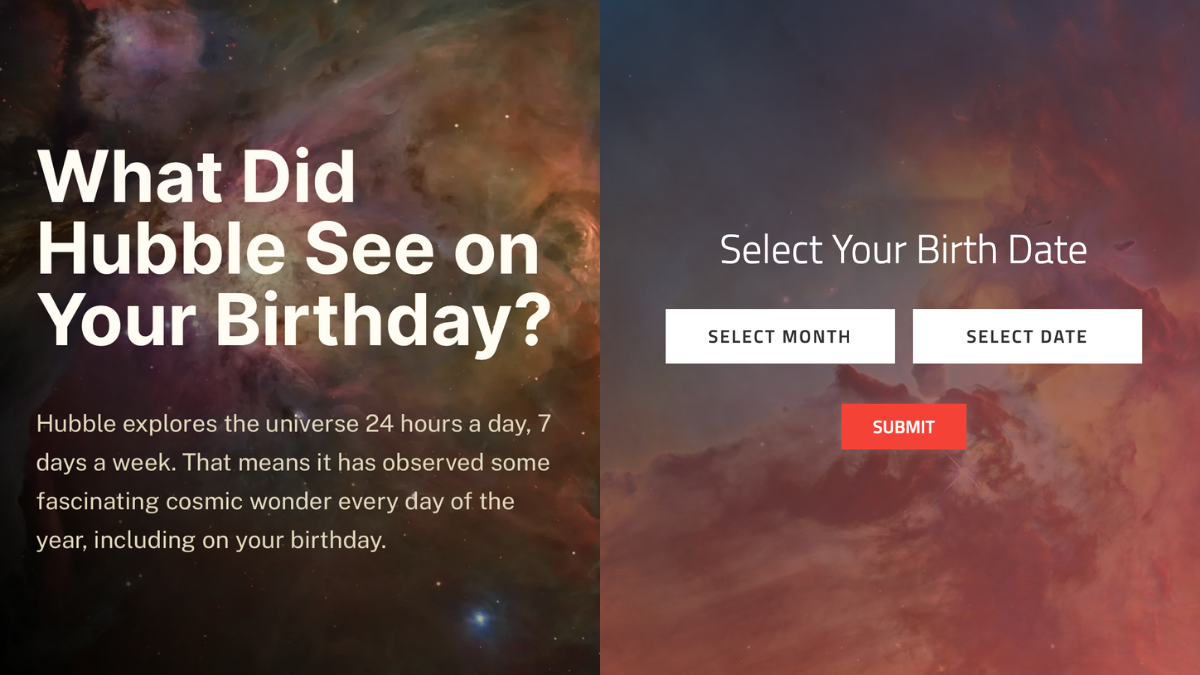
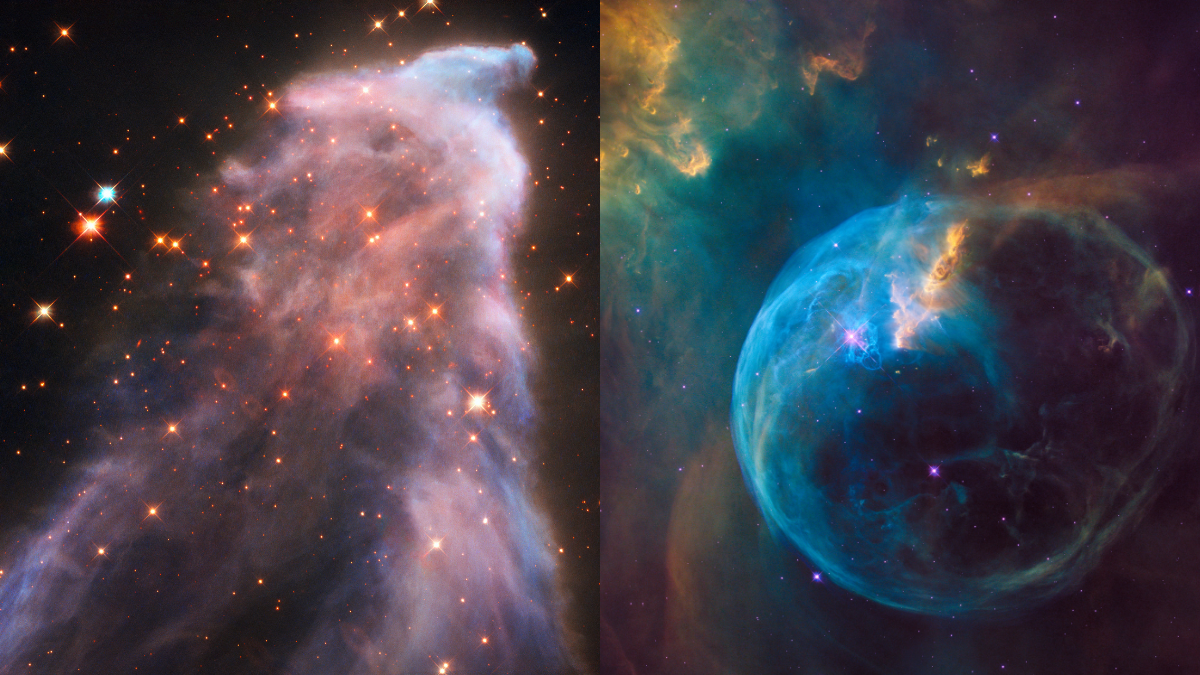
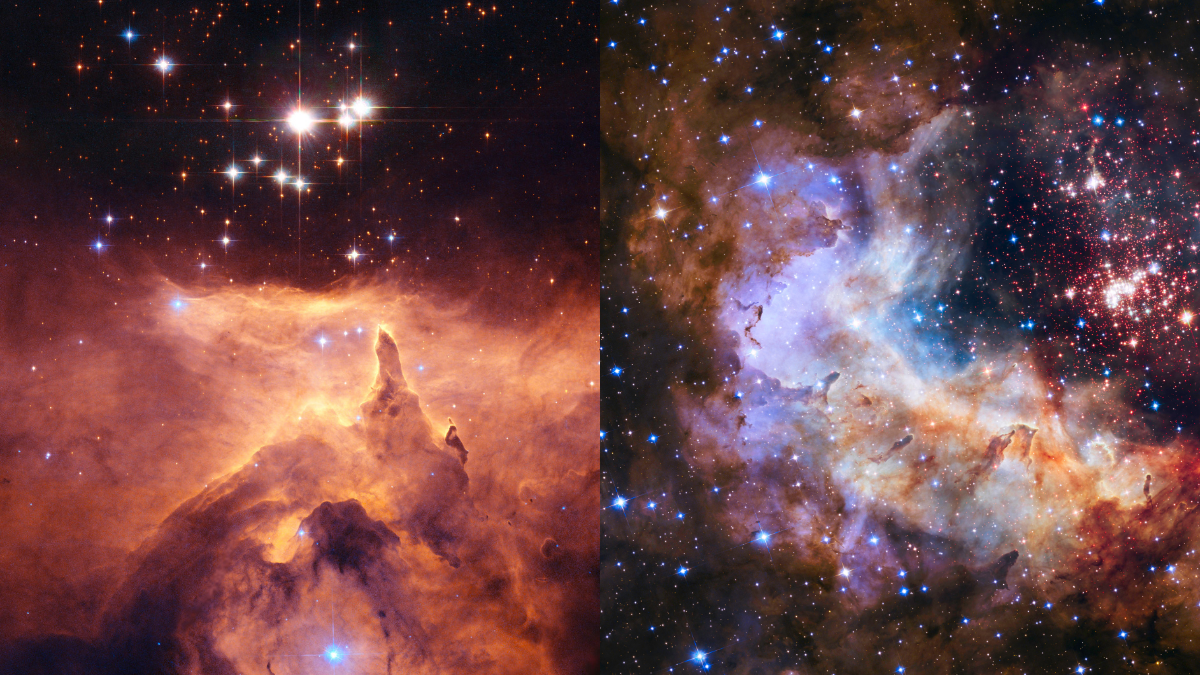
NASA has a tool that can answer this question. Open Hubble Birthday 頁面,輸入你的出生月份和日期,系統會顯示哈勃太空望遠鏡在那一天拍攝的宇宙照片。可能是一座正在誕生的星雲,可能是兩個星系的碰撞,也可能是一顆正在死亡的恆星。
This tool periodically goes viral on social media. Every few months someone "rediscovers" it, triggering a global wave of sharing. Everyone screenshots their birthday space photo with a caption like: "On the day I was born, the universe had this waiting for me."
35 Years, 1.7 Million Observations, and a Flawed Mirror
The Hubble Space Telescope was launched aboard the Space Shuttle Discovery on April 24, 1990. 2025 marks its 35th year in orbit.
But Hubble's beginning was far from smooth. After launch, scientists discovered that the primary mirror had been ground with an error, causing blurry images. A telescope costing billions of dollars was producing blurry photos. The media mocked it as "NASA's most expensive failure."
It wasn't until 1993, when Space Shuttle mission STS-61 installed a pair of corrective "glasses" on Hubble, that the optical system was fixed. From that moment on, Hubble began capturing the clearest and most stunning images of the universe in human history.
As of February 2025, Hubble has completed nearly 1.7 million observations, examined approximately 55,000 astronomical targets, and accumulated tens of terabytes of data. Over 22,000 academic papers based on Hubble data have been published, cited more than 1.3 million times.
Why the Birthday Photos Bring People to Tears
NASA's Hubble Birthday tool is technically simple: it just matches each day of the year to a photo Hubble captured on that date. The photo you see isn't necessarily from the year you were born — just the same calendar day.
But its emotional impact far exceeds its technical complexity. The reason: "a personalized cosmic connection."
In daily life, the universe is abstract. You know it exists, but it has nothing to do with you. But when you see a photo that says "this is what Hubble captured on [month] [day] (your birthday)," suddenly the universe has a specific point of intersection with you.
That photo might be a colorful cloud of gas, thousands of light-years from Earth. You'll never get there. But on the day you were born, Hubble happened to be looking in that direction. And that "happened to" is enough to make you feel the universe remembers you.
Of course, the universe doesn't remember you. But your brain doesn't care. It only cares that the photo has your date on it.
What You Don't Know: Why There's a Photo for Every Day
Since its launch in 1990, the Hubble Space Telescope orbits Earth every 97 minutes, collecting data during each pass. Over 35 years, there's an observation record for nearly every single day.
But most astronomical observation images look like nothing more than numbers and lines to the average person. Some days captured only a tiny dot of light in dark space. NASA staff had to comb through 35 years of data to select at least one "visually appealing" photo for every day.
This means the birthday photo you see is curated. It's not a random "first image Hubble took that day" — it's the one NASA's team selected from all observations on that day as "the one most likely to make you say wow."
When NASA put the birthday photo tool on their website, they weren't just doing science outreach. They were doing content curation. And their curation was so good that millions of people around the world voluntarily became free promoters for NASA.
The Social Media Lifespan of a Single Photo
The reason the Hubble birthday photo tool goes viral periodically is its "shareable design."
A birthday space photo naturally satisfies three conditions for social media sharing: First, personalization (this is "my" birthday photo, not a generic space image). Second, visual impact (Hubble photos are themselves works of extraordinary visual art). Third, conversation trigger ("what's yours?" is a question that automatically generates engagement).
Every time someone shares their birthday space photo, it triggers at least 3 to 5 friends to look up their own. Then those friends share too. Then their friends look it up as well. That's why every few months, when someone "rediscovers" the tool, it spreads across global social media within days.
The Universe's Most Successful PR Strategy
NASA built the Hubble Birthday tool with the original purpose of "public engagement." They wanted people who don't care about space to form an emotional connection with NASA.
The results exceeded expectations. This tool is probably one of the highest-ROI public relations projects in NASA's history. Production cost was nearly zero (just arranging existing images by date), but the global brand exposure it generated is astronomical — literally.
And its success reveals a universal truth: humans don't care how big the universe is. They care what the universe has to do with them. Give them a moment of "this is your universe," and they'll fall in love with the entire sky.