Filming Was Once His Lifeline: How Shawn Fung Turned Regret Into Stories
KURIO Editorial|2026/6/11|11 min read
1 / 12
Credit: IG/@shawn_yef.c
Key Takeaways
Credit: IG/@shawn_yef.c
Key Takeaways
Some dreams don't begin from believing in yourself.
Some dreams begin when a person is lost, full of self-doubt, not knowing what they can still hold on to, and suddenly discovers there's one thing they still really want to do. That thing may not bring success right away, and may not be understood by everyone. But as long as they can keep doing it, they haven't completely lost themselves.
For Shawn Fung, filming videos was once exactly that kind of thing.
In the very beginning, he only had an iPhone 6, a simple dream of making films, and a version of himself who knew nothing, felt he had accomplished nothing, but still really wanted to keep filming. Back then, filming felt like a lifeline to him.
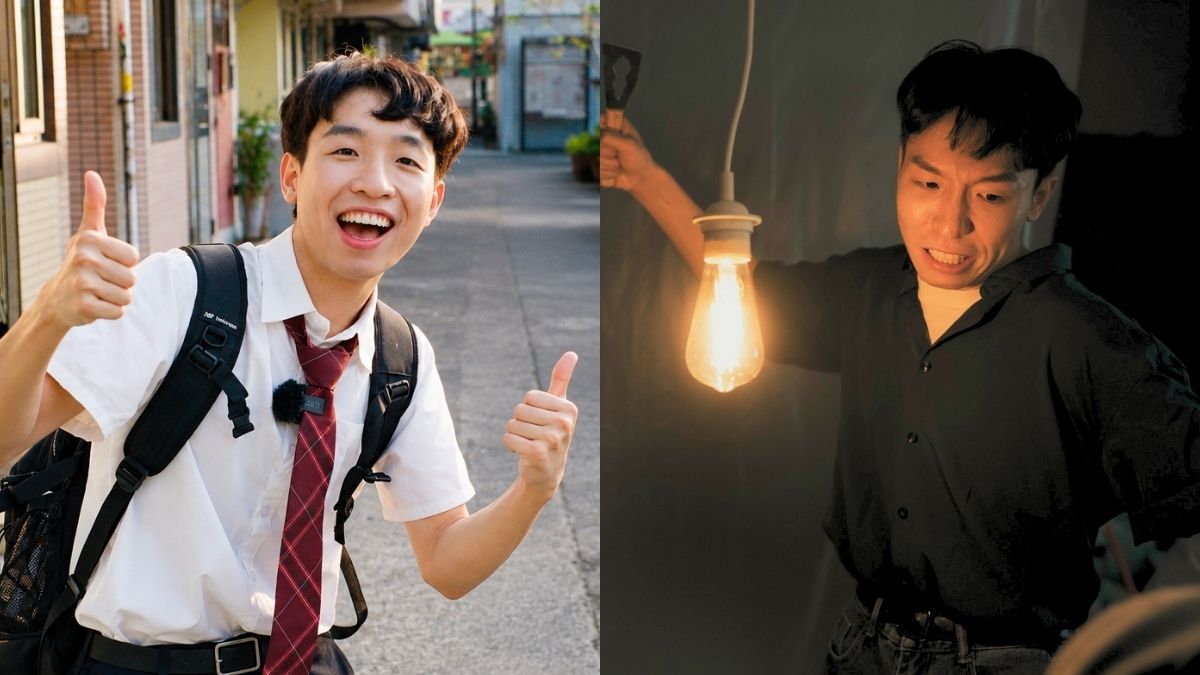
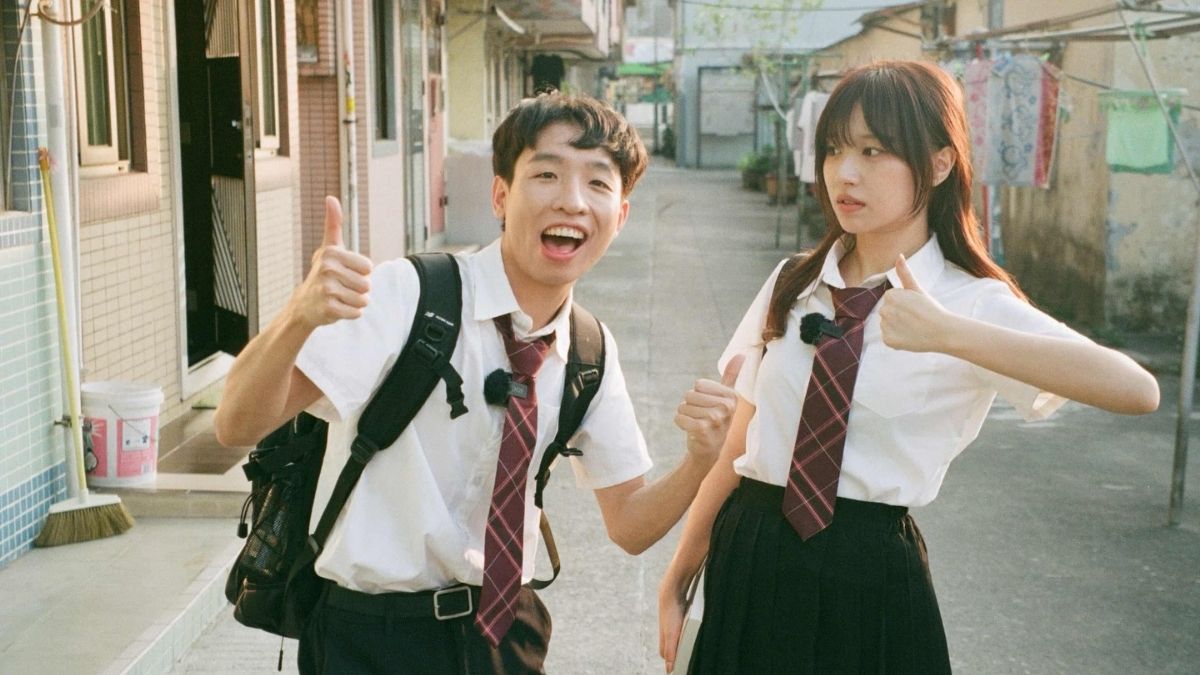
Later, he created the channel "Suigetsu," letting more people glimpse his world through short films laced with humor, sadness, and regret.
But the starting point of everything was simply that self who knew nothing, had accomplished nothing, felt deeply insecure, yet still wanted to keep filming.
Before becoming a creator, Ah-Chiu (Shawn) learned very early what it felt like to be looked down on.
As a child, he was teased for his short build. By the first year of secondary school, he was still only around 140-something centimeters. During those years, he was bullied at school, and because his grades were poor, he also carried heavy pressure at home.
Those experiences didn't immediately turn into strength. More often, they first turned into insecurity. That kind of insecurity didn't show up obviously every day. It slowly settled in a deeper place in his heart. It seemed fine most of the time, but the moment something triggered it, it would surface again.
In fourth grade, he began to understand that if he kept backing down, he would just keep getting bullied.
So he started fighting back. Even though he was small, he was no longer just afraid. When someone bullied him, he hit back in his own way. It wasn't necessarily a mature way of handling things, but it was the only way a small kid, pressed down to the very bottom, could think of to protect himself.
He may not have known how to put it into words back then. He just knew, very directly, that he didn't want to be treated like that anymore. That defiance didn't suddenly make him confident, but at least it taught him that he couldn't keep just retreating.
After leaving school in his third year of secondary school, Ah-Chiu didn't actually know how far he could go.
Many people around him said that if you wanted to make films, you should study at film school. But he wasn't good at studying and didn't enjoy it, so that path didn't really feel like his from the start. Watching people around him seemingly find their direction, he would compare, feel insecure, and even doubt whether he was qualified to think about this at all.
But no matter how lost he felt, he never truly gave up filming. The reason wasn't grand. It was simply that filming was the only thing he loved doing at the time.
Back then, he didn't overthink it. If filming brought no audience and no results, then working an ordinary job for the rest of his life didn't seem like such a bad thing. Because at that time, he felt he didn't know anything anyway, and he had nothing to lose. In his own words: he was just a stray life, what was there to lose.
So for Ah-Chiu, filming wasn't a dream that was clear from the start, nor a polished, inspiring story. It was more like something a person grasped on instinct in a very confused time. Because he still loved it, he kept filming. Because if he stopped filming, even the one thing he loved would be gone.
What truly almost made Ah-Chiu give up filming wasn't a lack of viewers or income. It was the distrust of the people around him.
In the winter of 2021, he began creating short films. During that period, he and friends filmed together for a long time and poured a lot of heart into it. But along the way, he slowly realized that those who walked alongside him didn't fully trust him, and didn't necessarily truly understand him. For someone who took filming so seriously, that feeling was deeply hurtful. Because compared to whether the work was good or not, what was harder for him to accept was that the people who had walked with him so long didn't really believe in him.
During that time, he felt a sense of "time to wake up from the dream."
Just when he was about to give up, he saw another possibility: the world of vertical video on phones. What he had imagined before was film: horizontal frames, the big screen, long-form stories. Later he discovered that the two worlds are completely different. Short videos, Reels, phone screens, are not substitutes for film, but an entirely new form of creation.
His biggest realization came from a very simple discovery: as long as you put your heart into it, any form can be made beautifully.
So he began filming again, and began trusting creation again.
Many people came to know Ah-Chiu through "Suigetsu," but for him, short videos were never just a stepping stone toward film. They were a training ground, a part of growing up, and a form of creation he genuinely loved.
Because he knew that if one day he really could make his own film, that filmmaker wouldn't appear out of thin air. He would be slowly built, piece by piece, by today's self who keeps making short videos, keeps trying, keeps falling and starting over.
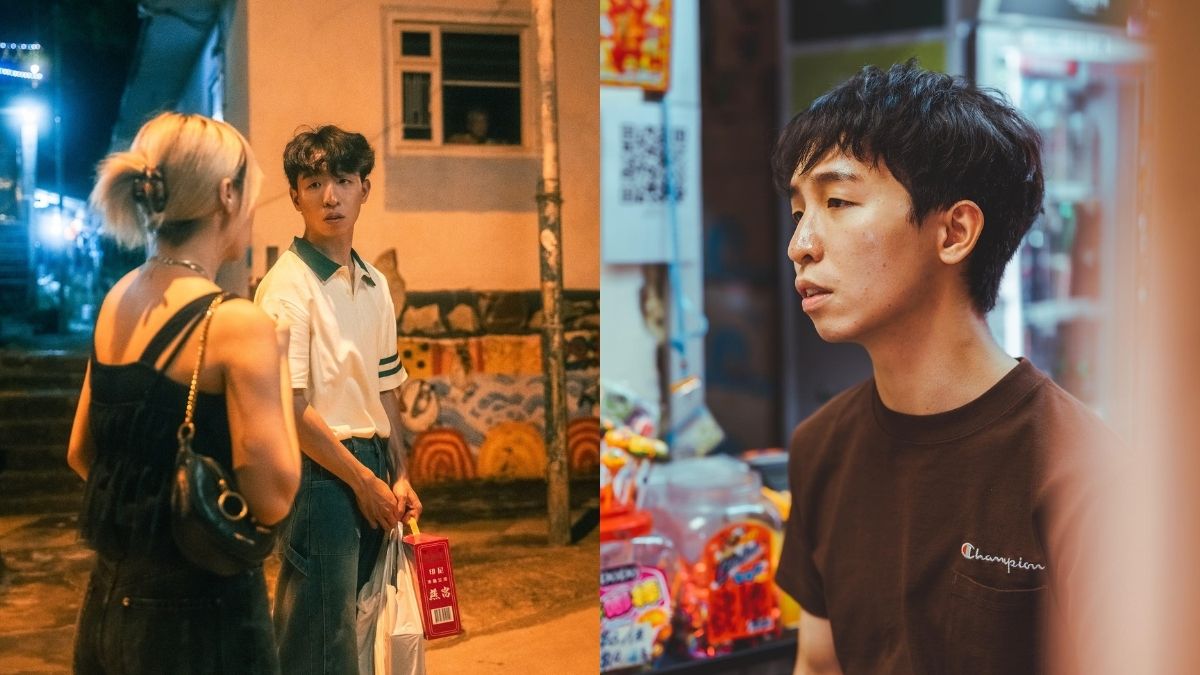
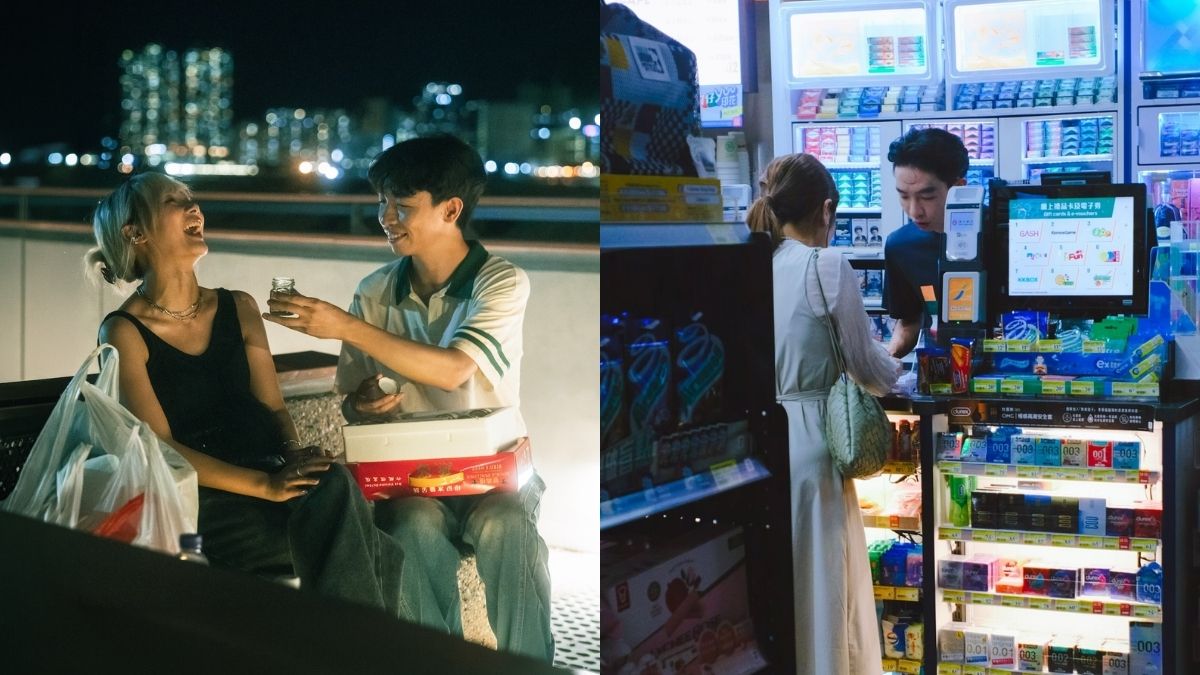
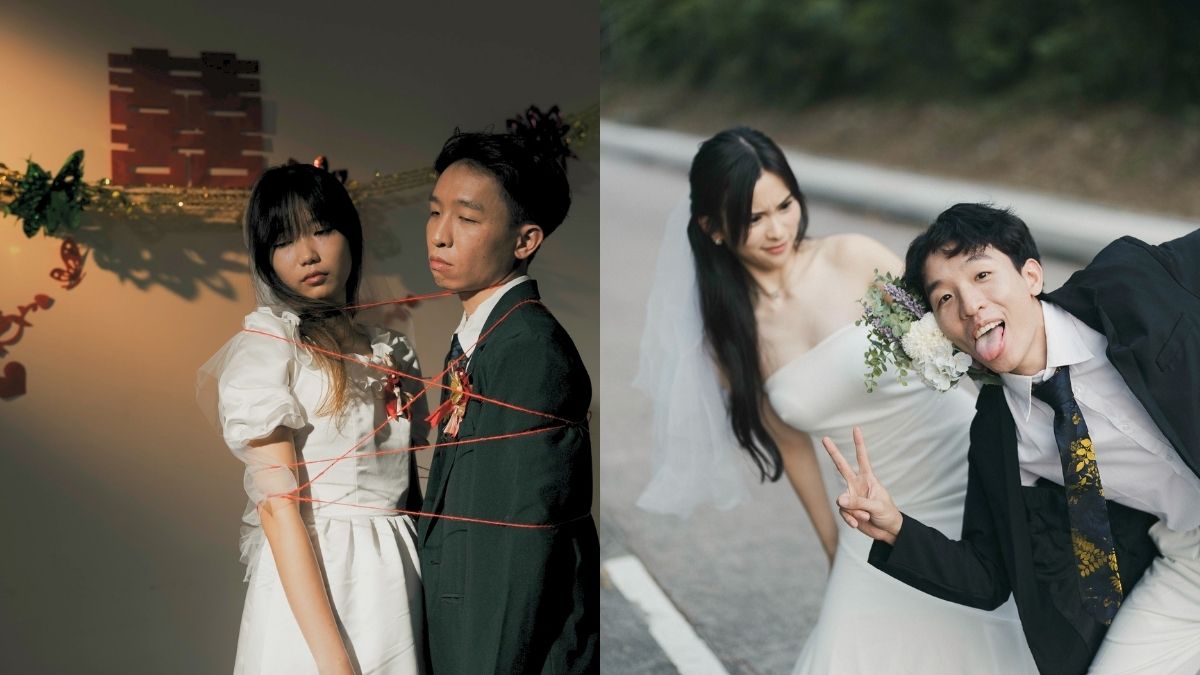
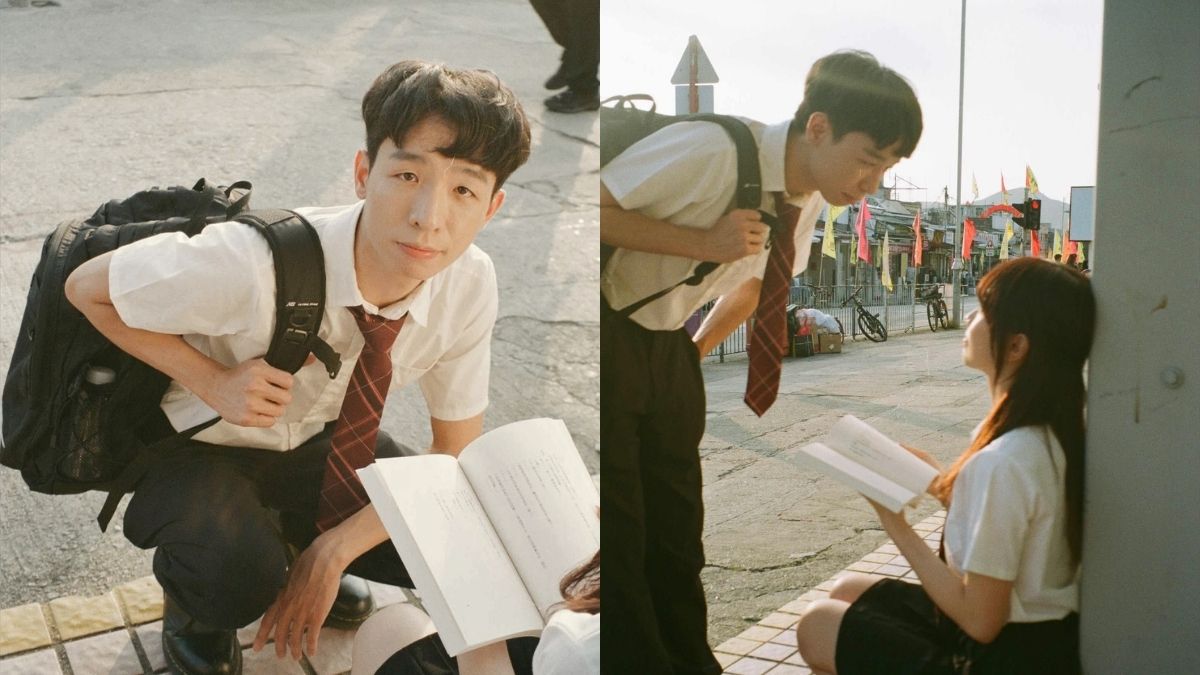
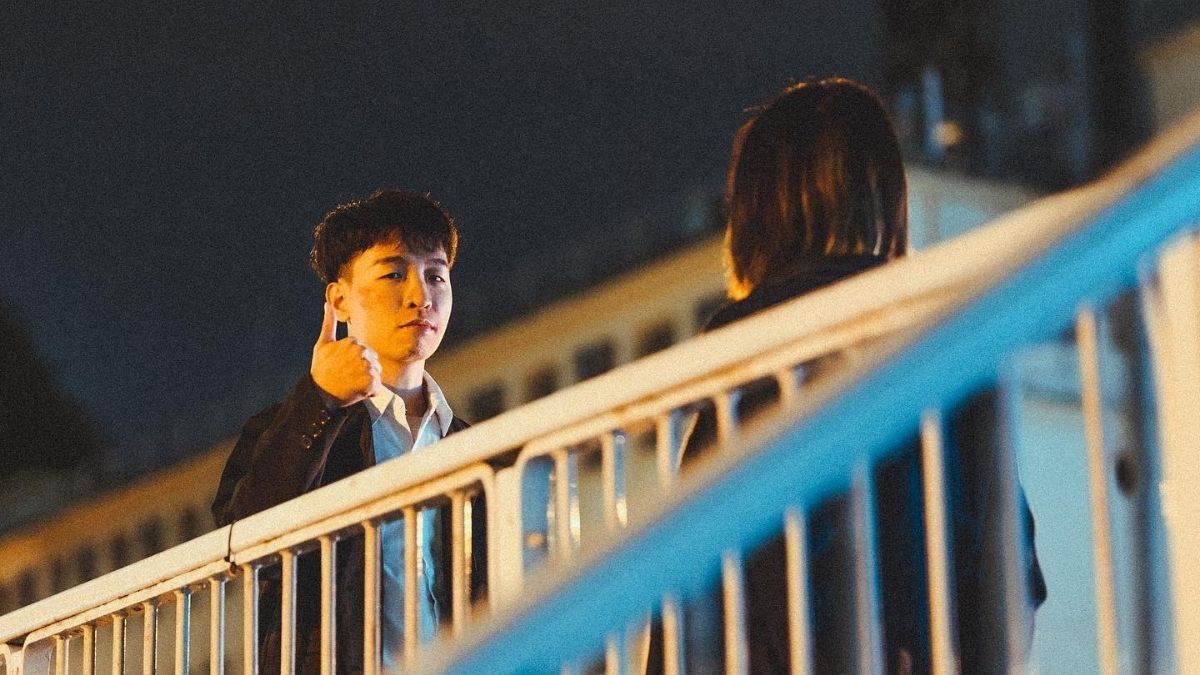
Convenience stores on street corners, late-night streets, cha chaan tengs, the seaside, people who leave and moments of reunion. They look like everyday scenes, but always leave behind some unspeakable feeling after viewing. Many people know "Suigetsu" because of these short films saturated with Hong Kong flavor.
On the surface, those works can be funny, absurd, even darkly humorous. But look a little deeper, and they always carry loneliness, regret, missed moments, and a kind of unspoken romance.
If he had to describe the worldview of "Suigetsu" in one phrase, Ah-Chiu thought about it for a while and finally used just two words: tragedy.
He says with a laugh that even in happy moments, it's still a tragedy. That underlying color, in fact, is very similar to the Hong Kong in his eyes.
To him, Hong Kong is a sad city. So many things are outside of people's control. The city keeps changing, but people don't necessarily get to decide anything. Add to that the humid weather, which always leaves a vague unease, as if something is constantly pressing down on the heart.
So people can only rely on memories to be happy. But memories are precisely the most contradictory thing. If you had never been happy, you wouldn't feel pain. It's precisely because you were once very happy that, after losing it, you feel regret. And regret, more often than sadness, is the hardest to put down.
Perhaps this is why those familiar scenes keep appearing in his work. Streets, convenience stores, cha chaan tengs, the seaside, leaving and reunion. They look like settings for stories, but are really more like traces where emotions once lingered. The reason those places are remembered isn't because they're special, but because certain people and certain memories once stayed there.
And what Ah-Chiu does is simply use images to preserve those emotions that couldn't stay.
Many people assume Ah-Chiu writes, directs, and acts in everything because resources were scarce at the start, so he had to do it all himself. But the bigger reason is that what he originally wanted most was to be an actor.
Only later did he slowly realize that being an actor is actually a very passive role. You wait for someone to give you a part, wait for someone to give you a chance, wait for someone to decide whether you can stand in front of the camera. Ah-Chiu even describes the feeling as being a person in a relationship without a title, only able to keep waiting to be chosen. For someone who naturally loves to create actively, that kind of waiting was simply too long.
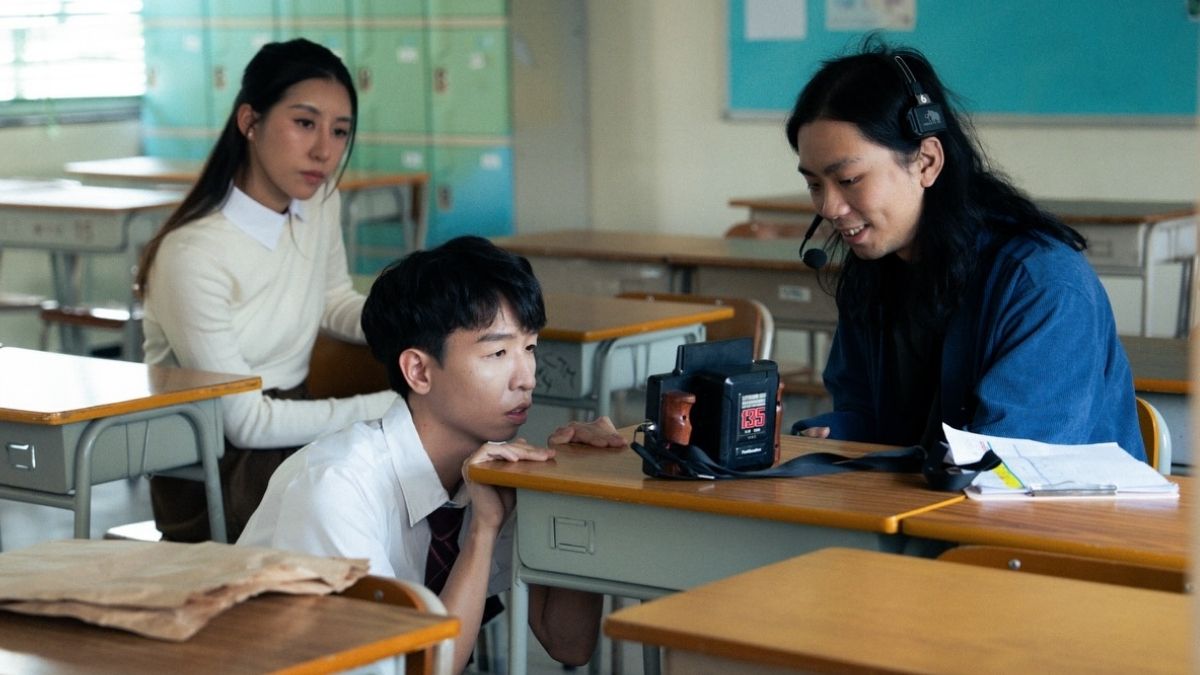
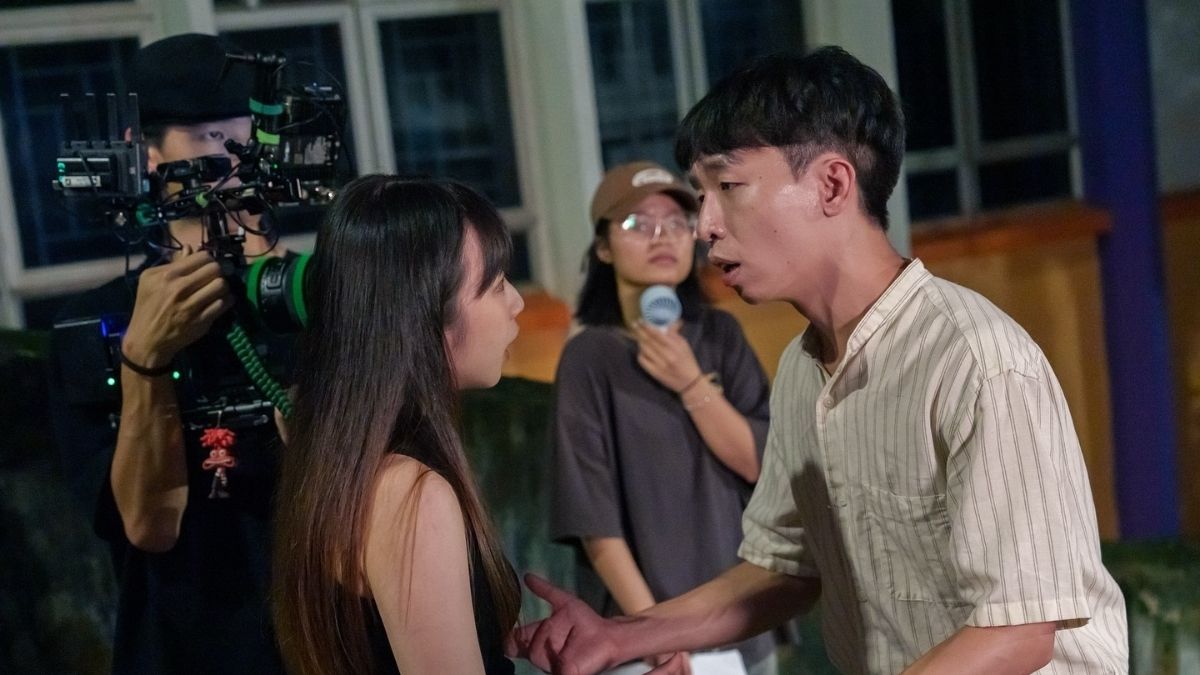
So he started writing his own stories, filming them himself, acting in them himself. He turned all the things he wanted to say, the roles he wanted to play, the scenes he wanted to capture, into his own work. The identity of "director" also slowly grew within this process.
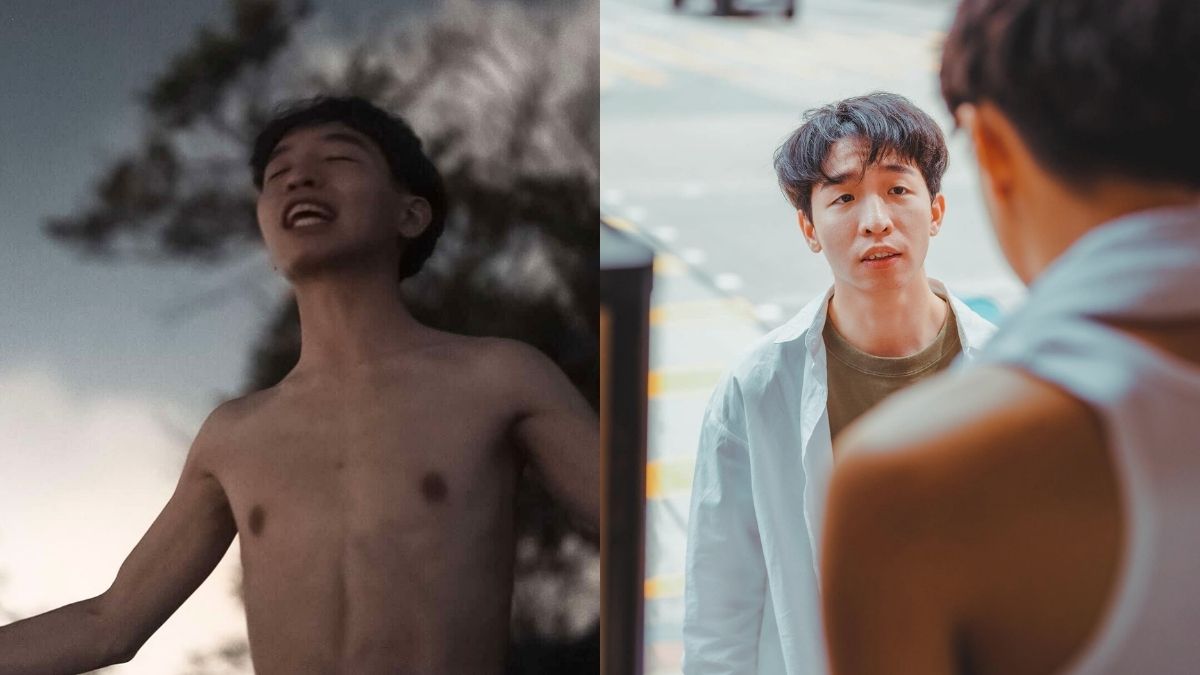
And when he stands in front of the camera, sometimes he's playing a character, and sometimes he's actually playing a part of himself. He laughs and says he has a very middle-school thought: "Being happy is acting; being unhappy is being real." It sounds contradictory, but it fits his creative state very well. Because so many things he can't put into words in real life end up running into his work. Those emotions he didn't have time to process, the people he never properly said goodbye to, and some regrets that not everyone would understand, all eventually become part of a character.
In real life, some things are too complicated, some emotions are too hard to explain, and some words don't even have anyone to be said to. But once placed inside a story, everything seems to become a little easier. It doesn't need to be fully understood, doesn't need anyone's response. It's enough that it exists inside the work.
Perhaps that's why "Suigetsu's" works always carry such thick emotion. Because much of the time, he isn't creating a character. He's leaving a part of himself inside every story.
If sadness is the underlying color of "Suigetsu's" work, then love is the hidden line beneath that color.
Ah-Chiu admits he's a very lovesick person, and even bluntly says that most of the truly painful things in his life have been about relationships. To him, love can be a sense of safety, companionship, even salvation. But at the same time, it shows you your most fragile, most powerless side.
He doesn't describe love as especially romantic. On the contrary, in his experience, what most relationships leave behind is destruction, devastation, and finally a complete parting. The words that weren't said in time, the things he could have done well but didn't fully try, the moments inside happiness where he didn't truly feel the happiness, all eventually become regrets.
And regret is precisely the thing people most want to erase, yet find hardest to erase.
Perhaps that's why he keeps placing those emotions inside his work. Because some things can no longer be returned to in real life, but at least they can stay inside a story. "Drunken Late-Night Romance" is his work closest to himself. It's not the story of a fictional character, but the things he once really wanted to say to a person.
Looking back, he knows he was a little self-righteous at the time, and that many words were still left unspoken. Later, those words didn't return to reality. They became a few short lines of dialogue in a video. The work doesn't explain who that person was, doesn't tell the story completely. But viewers can still sense a real person hidden inside, a real relationship, and emotions that, even after a long time, still haven't been fully put down.
Maybe for Ah-Chiu, creation is often like this. Not to make answers clear, but to leave a place for feelings that can't be made clear.
Like when he once mentioned that August 7, 2024 was "the start of the happiest part of his life." As for what actually happened that day, he didn't say. He only left behind a very Suigetsu-style answer:
"Some things need to be left damp and blurred."
Not saying everything isn't necessarily about wanting to hide something. Sometimes it's the opposite. It's precisely because that memory matters so much that he can't bear to explain it too clearly.
In early 2023, advertisers began reaching out to Ah-Chiu. That was the first time he felt he might really be able to keep going on creation.
For someone who once didn't know how far he could go, this wasn't just the beginning of income or work. It was more like a confirmation: the thing he had insisted on, someone really had seen.
When short films went viral and view counts climbed, he felt that the work had been understood. Maybe because everyone had once had similar feelings, that was why they could see a part of themselves inside his work.
Compared to being misunderstood, what he fears more is no one seeing.
Because behind every piece of work, a person has put their time, emotions, and life experience into it. For a creator, what hurts the most isn't being criticized. It's having said something with all your strength, and no one hearing.
But being seen doesn't mean the insecurity will fully disappear.
Ah-Chiu knows that the insecurity might exist in different forms throughout his life. Most of the time it sits in a deeper place in his heart, but the moment something triggers it, it still surfaces.
It's just that now, he no longer simply dislikes this part of himself.
He's begun to understand that insecurity is also a way of knowing yourself. As long as it doesn't hurt others, it's part of who he is.
If asked what he most hopes people remember, Ah-Chiu doesn't mention view counts, doesn't mention how many works he's done. He says he hopes people like his work and his style. And if he had to leave one sentence, it would be:
An ordinary person can also film their own cinematic world.
Because he knows very clearly that when ordinary people start dreaming, they don't usually get much applause. More often, they're looked down on, doubted, even unsure how far they themselves can go. After all, that's how he himself walked through it.
Many things aren't as far away as imagined, he says with a laugh. Filming is sometimes a lot like pursuing a girl you like. If you see her as someone unreachable, you probably won't dare to approach her your whole life. But when you discover that she's actually just an ordinary person, and you're also an ordinary person, possibility begins between you.
Film and creation are the same. Many people watch films, watch directors, watch impressive works through a screen, and slowly start to feel that world is far away. But really, as long as you treat it as something you're genuinely interested in, instead of an unreachable dream, it's not as far as it seems.
So if today there's a young person who feels they have no education, no background, no resources, but really wants to create, what Ah-Chiu most wants to tell them isn't a formula for success or some grand truth. He just hopes they won't lose their own qualities because of what others think. Believe you are one of a kind, and your life can be your own to decide. As long as you feel it's possible, then it's always possible.
And if today's him could go back many years and meet that little kid who was teased, called "a stupid one," and always felt he wasn't good enough, he probably wouldn't tell that kid he'd definitely succeed in the future, or how many people would know him.
He would just want to pat his shoulder, and say:
"You've already done very well."
All content and images in this article are published with the interviewee's prior authorization.
 人物
人物 人物
人物 人物
人物 人物
人物 人物
人物 人物
人物FAQ
Shawn Fung (nickname Ah-Chiu) is a creator from Hong Kong and the founder of the short-film channel "Suigetsu," where he writes, directs, and stars in his own short films. After leaving school in his third year of secondary school, he began filming with an iPhone 6, bringing Hong Kong's loneliness, regret, and unspoken romance into his world of short videos.
"Suigetsu" is the creative channel Shawn Fung built in 2021 after pivoting from short films to vertical phone videos. His works use everyday Hong Kong settings (convenience stores, cha chaan tengs, the seaside, street corners) as backdrops. On the surface they're funny and absurd, but underneath they carry loneliness, regret, missed moments, and unspoken romance. The overall tone is, in his words, tragedy.
He never attended film school. After leaving school in Form 3, he worked part-time jobs while filming, starting with short films. After being hurt by trust issues with collaborators, he almost gave up. Switching to vertical phone videos, he discovered that "as long as you put your heart into it, any form can be made beautifully," rebuilt his confidence, and gradually grew into a director by treating short videos as a training ground.
Shawn feels Hong Kong itself is a sad city, where people often can't decide much and can only rely on memories to be happy, while memories are precisely the most contradictory thing. He admits to being lovesick, and that his deepest pain comes from relationships. Placing the words he never said and the people he never properly said goodbye to into his work is, for him, a way of understanding himself.
登入後可以留言。