No Way Back, Still She Sings: Hamano Haruki's Story of Music That Cheers Girls On



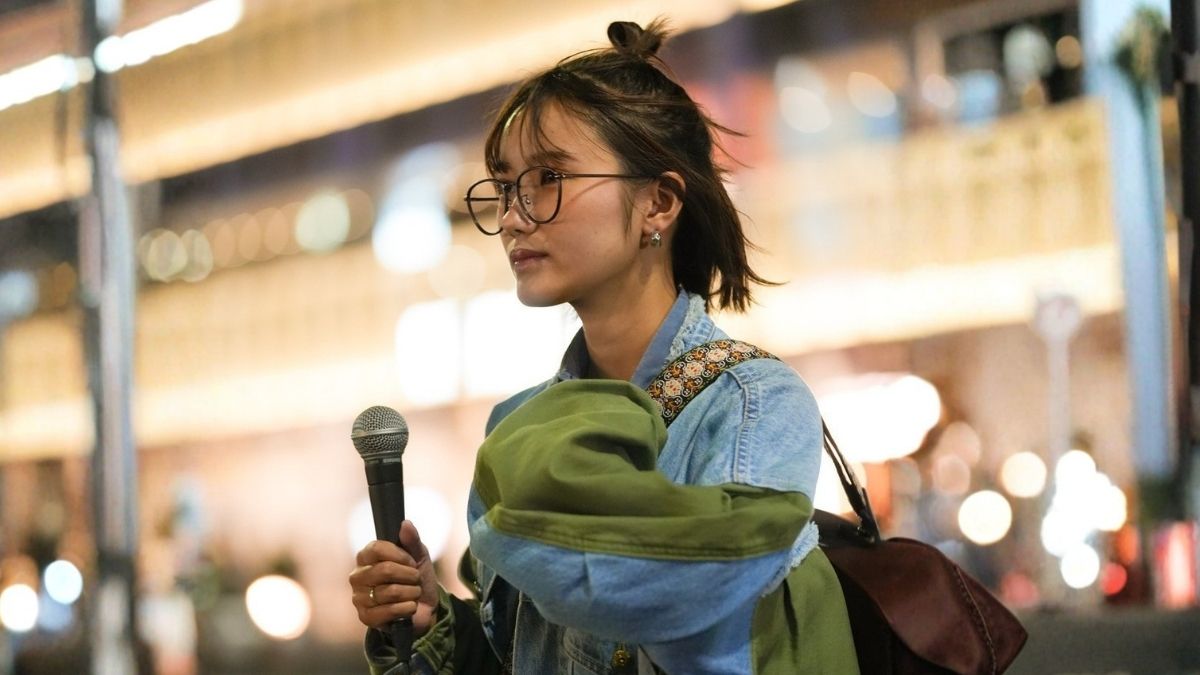



Credit: IG/@paruchan_86
Key Takeaways
- •HAMANO HARUKI left home over her family's objections with almost nothing to her name, taking just one guitar to sing on the streets of Tokyo
- •She knows the pain of chasing a dream, the ache of going misunderstood and the wounds that casual malice leaves, and she chose to stand with girls through her music
- •Her 2026 tour "COVER GIRLs" has one message for girls: even if you're not perfect, even if you've been hurt, even if you're still on your way, your life deserves to be seen
Some dreams don't start with the certainty of success.
Some start at the moment there's nowhere left to retreat, when a person chooses to keep walking anyway. That step isn't always romantic, and it's rarely pretty. It can carry loneliness, fear, the quiet ache of being misunderstood, even a resolve that borders on stubbornness. But the moment someone truly becomes the protagonist of their own life often begins right there.
For HAMANO HARUKI, chasing a dream was never a breezy slogan.
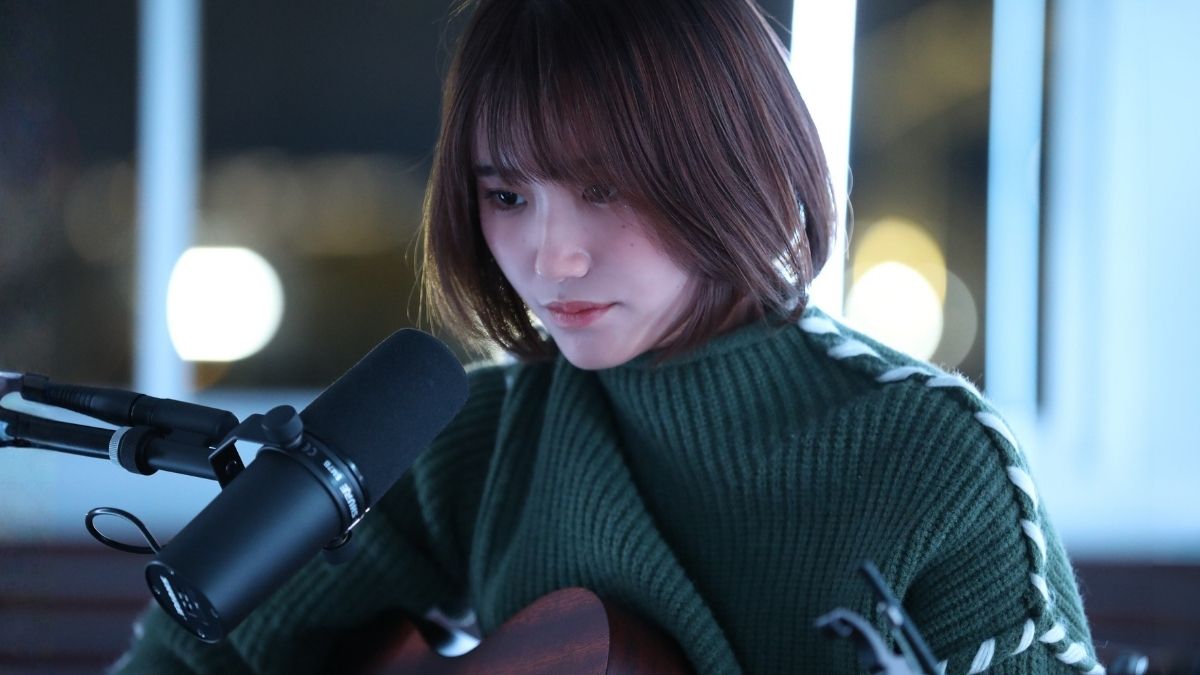
She left home over her family's objections with almost nothing to her name, just a guitar, and headed for Tokyo. There was no waiting until everything felt ready. She went knowing there might be no way back, and staked her life on it anyway.
She wanted to become a singer, and she wanted to be a companion to every girl.
Because there was a time when she was the one who needed someone standing beside her.
Not Every Goodbye Is Gentle
Singing was the dream, and Tokyo was where it lived. Her family didn't see it that way at first. From where they stood, the path was too unknown, too unstable, impossible to predict. She saw it differently: if she never stepped out, she'd never know whether she could build a life on music.
So she put her whole life on the line and left for Tokyo with nothing but a guitar. Before she walked out, her mother told her: "Don't come home until your dream comes true."
In that moment, Haruki felt profoundly alone. The sentence seemed to erase the one place she could have run back to. But when you know there's no way back, fear turns real, and so does resolve.
Looking back, she came to hear the love folded inside those words. Her mother had chosen a painful way to make her strong: no exit she could slip back through whenever it got hard, just a push toward the one place where she'd have to face her own life squarely.
For the Haruki of those days, staking her life meant singing in the rain, singing in the wind, standing out on that street every single day. With nowhere to go back to, forward was the only direction left.
Survival Came First
Tokyo didn't greet her with the stage she'd imagined, or with a quick chance to be discovered. It greeted her with a much more practical question: where was she going to sleep tonight?
She had no settled place to live and never quite enough money to feel safe. Every day she stood on the street and sang, and the tips passers-by left decided whether she could afford a room that night. A generous day meant a bed. A thin day, and things got precarious fast.
To this day she remembers the night she slept out on the street in Koenji.
There was no applause that night, no lights, no one promising her she'd make it. Just the Tokyo dark, the guitar at her side, and a girl who had no idea what tomorrow held and still didn't want to turn back.
None of it looked like the dream-chasing montage from a coming-of-age film, softened by filters. It was one person pressing her life down as low as it would go, just to stay an inch closer to the dream. Sing through the day. Solve the night. Get up the next morning and sing again for whoever happened to pass. Nobody guaranteed she'd succeed, and nobody guaranteed the world would ever hear her voice.
Five Seconds of Light
In the early busking days, what Haruki saw most wasn't applause. It was the backs of people hurrying somewhere else. She stood there singing while her voice dissolved into the traffic, the chatter, the footsteps. Plenty of people passed without stopping. To them, it was a stray melody drifting off a street corner. To her, every time nobody stopped, the question sank a little deeper: does anyone actually need my songs?
She had her doubts, and yes, quitting crossed her mind.
But whenever someone was willing to stop, even for five seconds, a little light came back.
Five seconds is almost nothing. The person was probably just passing through, and may not have caught a single full line of lyrics. To Haruki, though, it meant her voice had reached somebody. For that one instant, a stranger had handed her song a piece of their time.
It wasn't success, and it wasn't being seen by the world. But for someone this close to believing she wasn't needed, five seconds was treasure enough. Enough to carry her through the next night, through the next song, back onto the street the next day.
On those borrowed seconds, she gathered her nearly broken faith back together, again and again. Then one day, somebody really did start to listen.
Cruelty Is Light Until It Lands
The busking days held more than loneliness and empty pockets. There were moments she still can't retell with an easy smile.
Once, while she was singing, someone scattered pigeon feed right in front of her. Within moments, her spot was overrun with pigeons. Told as a story, it sounds absurd, practically a prank. Living it, she found nothing funny at all.
Because she wasn't out there playing. She was pouring everything she had into being heard, and that day's busking would decide whether she had somewhere to sleep that night. Yet in certain eyes, all that effort was just material: something to mock, to interrupt, to treat as a joke.
The cruelest thing about that kind of hurt is how little it costs the person inflicting it. A handful of feed. A quick laugh. One line typed online. But let it land on someone barely holding herself together, and it becomes very, very heavy.
She saw the same pain later in the attacks that happen online. People assume words weigh nothing, that hitting send is the end of it. Those words arrive, though. They reach a real heart, and they do real harm.
Haruki knows perfectly well that people chasing dreams still feel pain. She just rarely had time to stay down. There were feelings to collect, a guitar to pick up, a street to stand back on, and always a next song to sing.
Music Caught Her First
"For girls." "On the side of women." Haruki has held those ideas close from the start, and not as packaging. The belief grew slowly out of her own pain. Her first love ended in betrayal, and for the first time she felt, with real force, how hard it can be to be a girl.
That hardship wasn't just the heartbreak. It was being wounded and not knowing how to put the grievance into words. Feeling wrecked and not wanting to look fragile. Holding all that unfairness inside and having no choice but to digest it alone, slowly.
What saved her in that stretch wasn't some grand piece of wisdom. It was music.
The songs said what she couldn't. They seemed to acknowledge things on her behalf: hurting is normal, sadness doesn't mean you aren't strong enough, and you are not the only one trapped in this feeling.
That was when she understood that music is more than melody and lyrics. A song can be proof that even at your most undone, you can still be understood. So later she set out to become a companion to women. Not someone standing up high telling girls to toughen up, but someone at their side, owning the pain with them and walking out of it slowly, together.
Music caught her once.
Now she wants her own songs to catch more girls who are hurting.
Real Girls, Not Perfect Ones
The girls in Haruki's songs aren't forever pretty, forever strong, or forever graceful about goodbyes. She writes the real ones: girls who get hurt, who burn with frustration, who get angry, who get lonely, who are moments from falling apart and still working hard to look fine.
"Real" is the thing she cares about most when she writes. No forced bravado, no striking poses, no making the pain look prettier than it was. She knows that what many girls need isn't another "be strong." It's someone saying the words for them first: I'm really hurting. I really was wronged. I'm not going to be okay that fast.
She won't leave a song sitting in its sadness, though. Her hope is that by the time each one ends, the listener feels able to keep moving. The relationship ended; my life didn't. I was hurt; that doesn't mean I live in the wound forever.
For her, resonance isn't the finish line.
What truly matters comes after the song: that the listener has a little more strength, enough to pick up the scattered pieces of herself, one by one.
Not on the Cover Alone
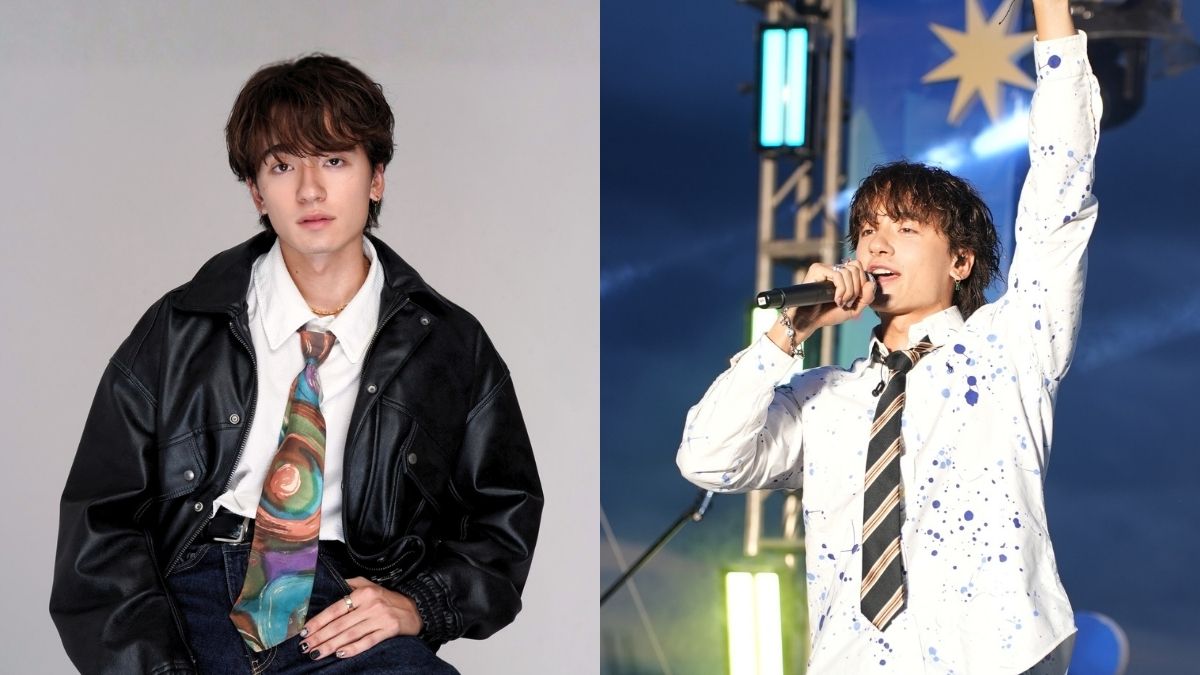
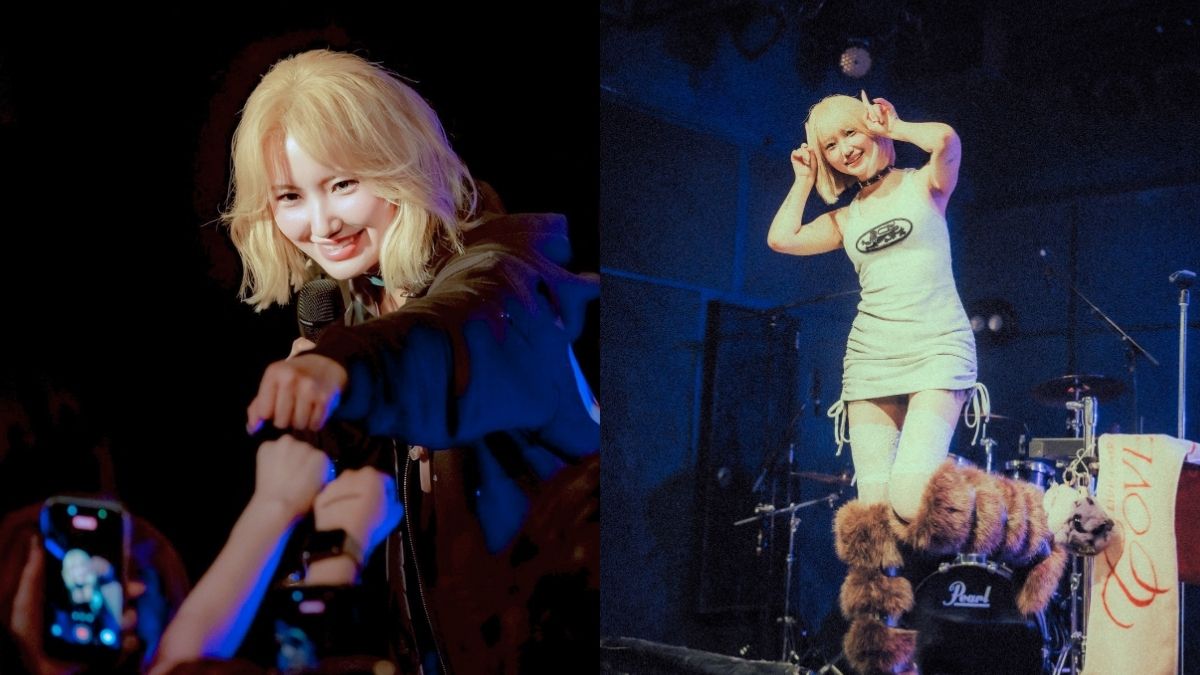
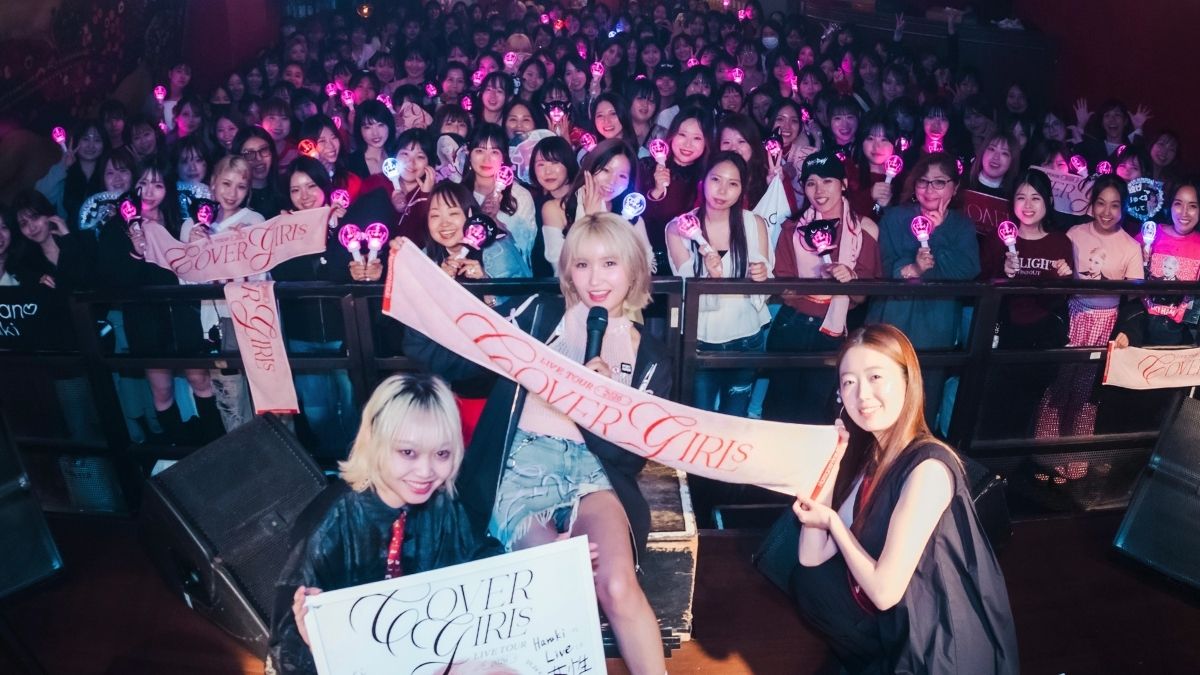
Haruki's 2026 tour is called "COVER GIRLs."
To her it's more than a concert title, and more than a visual concept. It's closer to the one sentence she's been trying to say to girls through all her years of writing: the woman on stage isn't the only one who deserves to be seen. Every girl can be the protagonist on the cover of her own life.
Girls' true feelings have always run through her songs. The quiet grievances inside a relationship, the sting that lingers after being hurt, the longing to be beautiful, the tangle of wanting love while bracing for the pain: all of it sits at the center of her writing.
So the "Girls" in "COVER GIRLs" was never just her. It means all of them: girls who've been hurt, doubted themselves, wanted to become better, and are still walking forward.
She'd rather listeners not place her somewhere far away, either. People may see an artist, a singer, a figure on a stage; she knows that underneath, she's an ordinary girl. She's had her heart broken, envied the heels and pretty dresses in shop windows, stumbled, doubted, and been hurt like anyone else.
So she refuses to draw some distant line between herself and the people listening. She'd rather her songs skip the sermon about getting stronger and feel instead like a faraway friend, keeping you company through the sad stretches and walking through them with you.
And that's exactly what makes "COVER GIRLs" so moving. It never packages girls into something perfect. What it says instead is: even if you're not perfect, even if you've been hurt, even if you're still on your way, your life deserves to be seen.
You don't have to be anyone else's idea of the right answer. You can still live your life into a story that belongs on a cover.
You Don't Have to Succeed to Be Loved
These days, her family is one of the most important things holding her up.
The same family that once spoke those hard words later told her: "If it gets too hard, you can come down off the stage anytime. The Haruki who isn't a singer is our treasure too."
Those words moved her deeply.
Because she finally knew that being loved wasn't conditional on succeeding. Even off the stage, even if the day came when she was no longer a singer, she would still be someone cherished. And that love didn't slow her down. It handed her more strength to keep going.
Real support doesn't always sound like a demand to win. Sometimes it's what reaches you when you're exhausted: the reminder that even without the persona on stage, you're still worth loving, and loving well.
Afraid, and Walking Forward Anyway
If today's Haruki could say one thing to her past self, the girl heading to Tokyo with nothing but a guitar, it would be this: "One day you'll see the light, so don't give up."
And for anyone who wants to chase a dream now but can't quite take the first step for fear, her answer is simple: "Try first, figure the rest out later." Even failing, she believes, beats living inside the regret of never having tried.
She has never sold the dream as a fairy tale with a guaranteed ending. Dreams, she'll tell you honestly, don't always come true. But a person can at least walk closer to one. Chasing a dream doesn't promise you'll reach the finish; it promises that somewhere in the moving forward, you become, little by little, someone closer to who you wanted to be.
Haruki didn't become the protagonist of her own life on the day the world finally saw her. There was fear along the way, and there was hurt. What she did was turn the pain into songs and the loneliness into strength, then take the light she once needed so badly and sing it for more girls.
So when she says "thank you for meeting me," it's more than gratitude toward an audience. It sounds like someone who sang her way from the street corners to here, finally able to look back at every encounter with tenderness and tell each person still doing their best to keep living:
Thank you for hearing me.
And I hope you'll remember: on the cover of your own life, the one standing there can be you.
All content and images in this article are published with the interviewee's prior authorization.