You don't have to be just one person to chase a dream: Nicole Chang, between the classroom and the stage
KURIO Editorial|Today|10 min read




1 / 10
Credit: IG/@nicolehsuan
Key Takeaways
- •
Credit: IG/@nicolehsuan
Key Takeaways
Some people shed their old selves the moment a bigger stage comes calling. Nicole Chang kept hers. Her life has never been about choosing just one version of herself.
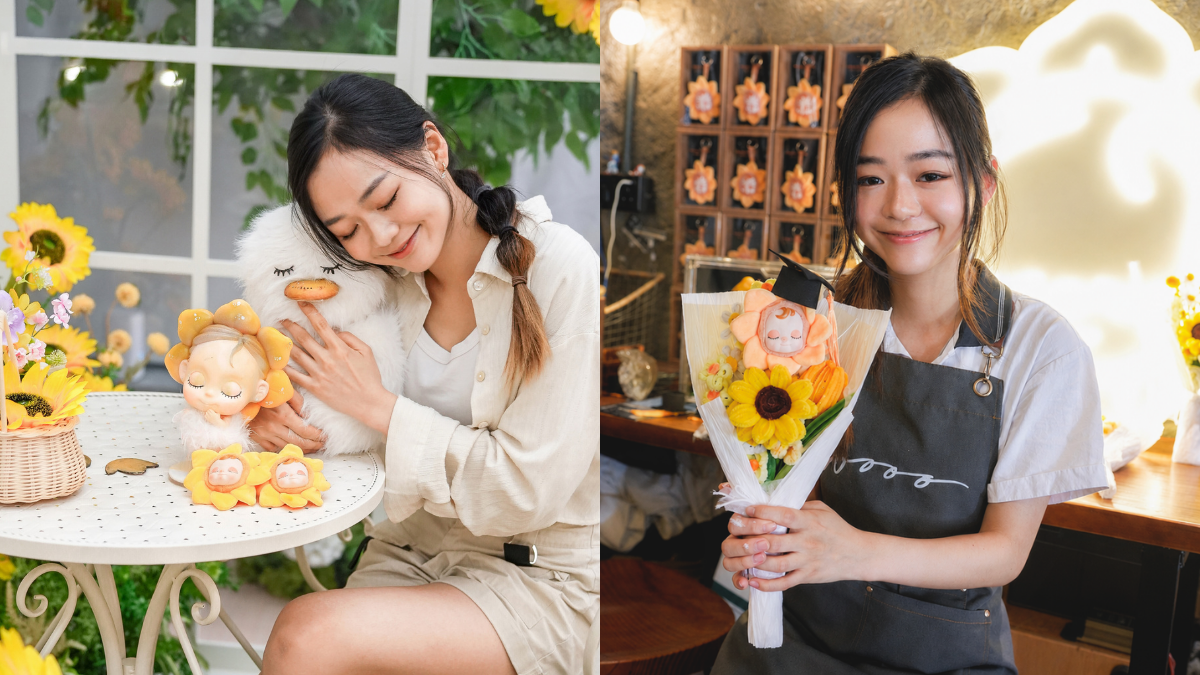
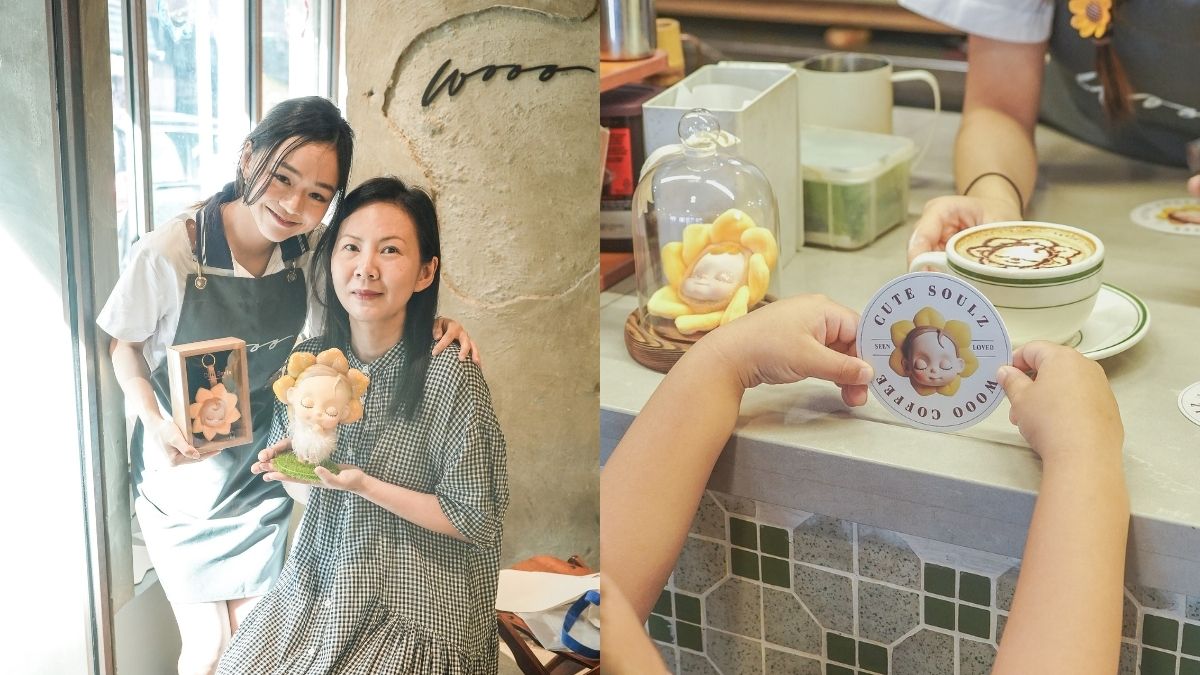
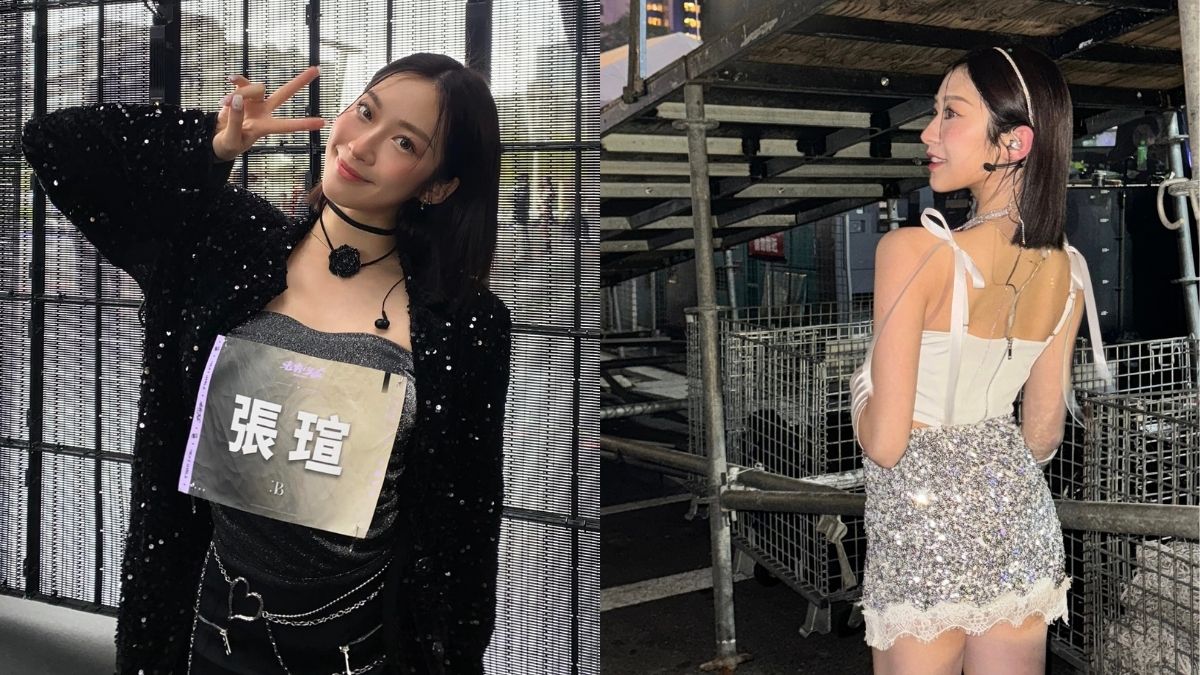
Born in Taiwan and raised in Los Angeles, she started teaching at sixteen and still tutors English at a cram school — one of the after-hours academies that anchor student life in Taiwan. She also dances and makes videos, and she competed on Next Girlz, the Taiwanese girl-group reality show that put her in front of a much bigger audience.
It would be easy to frame this as the story of an English teacher who made it to the stage. But Nicole never felt she had to leave the classroom to become a performer. Teaching isn't a fallback, and it isn't a quirky line in her bio. To her, teaching and performing are the same kind of thing: two loves she's had since she was a kid.
Once, drafting a personal statement for grad school, she tried to put into words why teaching mattered so much to her. The line that surfaced: "The classroom is my stage."
Growing up in Los Angeles, Nicole fit right in — plenty of friends, no trouble belonging. But at home, her mother kept Taiwan close, teaching her Chinese and holding on to the culture. From childhood, she carried the sense of standing in two places at once.
On one side, the America she grew up in; on the other, the Taiwan that never faded from her home. She has always felt somewhere in between, she says. It's a hard state to describe — not quite rootless, not quite claimed by either side. More like one person carrying two cultures, two languages, two ways of reading the world.
Over time, she came to see it as a stroke of luck. After she moved back to Taiwan, the language and culture stopped being something she visited and became her daily life. Language and food, she believes, are the first doors into any culture — and holding both of hers at once made her life feel less like a split and more like a puzzle finally coming together.
"I love going back to my roots," she says. She isn't a person cut in half; she simply carries one more world than most people do. That became the shape of her life. Nicole was never a tidy, one-line identity. She is Taiwan-born and LA-raised, an English teacher who is also a dancer, a content creator, a performer — and every one of those seemingly mismatched parts is genuinely her.
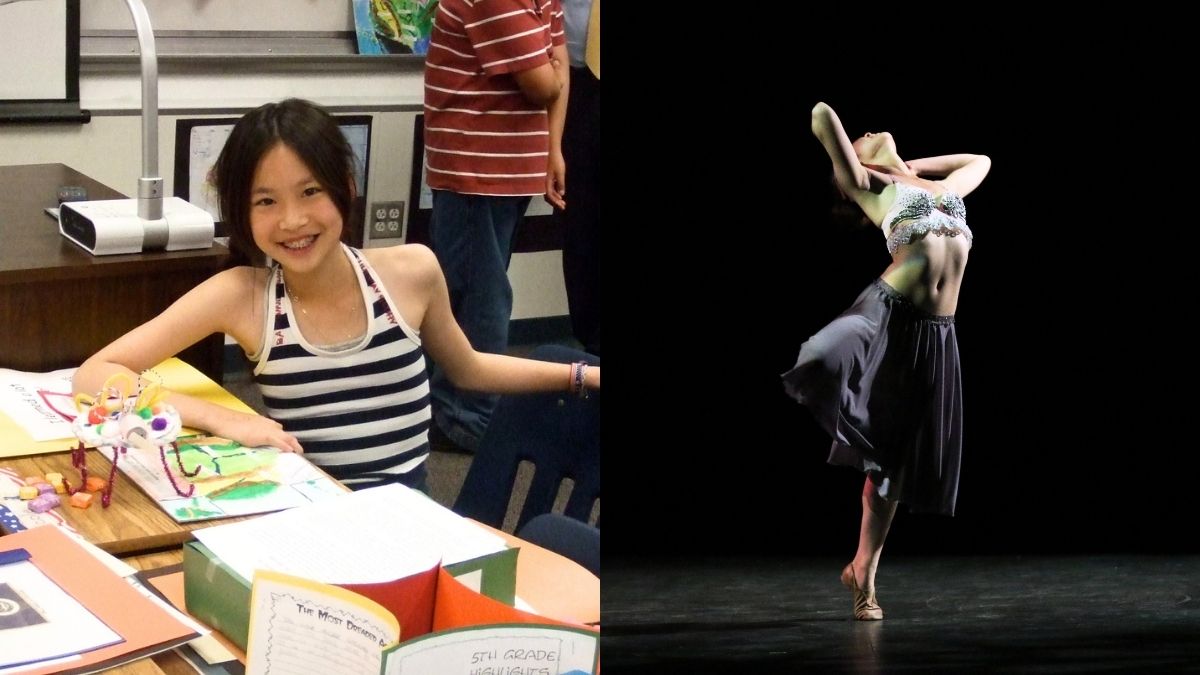
Nicole was a lively kid who loved to perform. She started dance classes at five, and from elementary school through high school there was always a stage to be on. She loved dancing, and she loved being up there. Stardom wasn't a dream that showed up suddenly in adulthood — it had been with her from the start.
The other dream started just as early. From the moment she could read, she was reading storybooks aloud to her dolls. On outings, she was the one keeping an eye on her mom's friends' kids. She loved children and was used to taking care of people — so teaching never felt like a decision. It happened naturally.
Most people treat performing and teaching as two entirely different roads. One is cameras, stages, audiences; the other is classrooms, students, textbooks. In Nicole, the two were never at odds. Both are about facing people. Both are about taking what you want to say and delivering it so it lands.
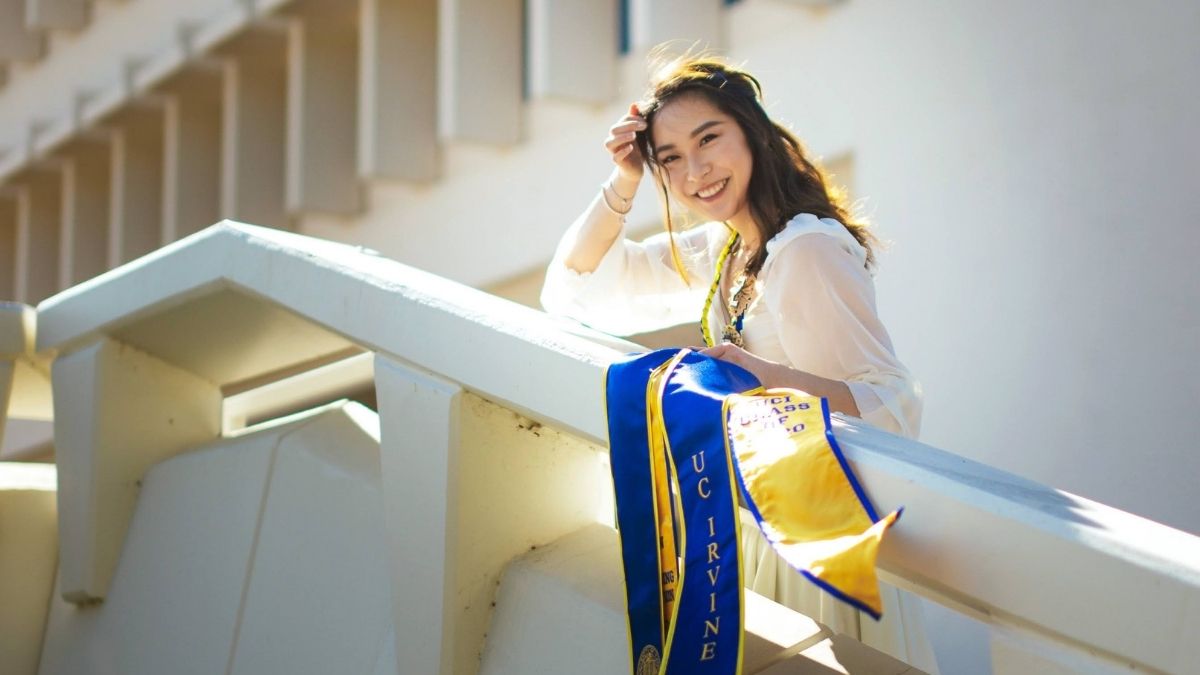
Nicole started teaching at sixteen, with a fifth grader from the elementary school next door to her own. In college she taught Chinese at a Chinese-language cram school and did a teaching practicum at a high school. She still teaches today.
You could file teaching away as the 'before' chapter — the part that came before the dream. But for her, teaching isn't the past that preceded the performer. It's the identity that stayed. She has never felt she had to choose between "teacher" and "performer."
If anything, at her busiest and most exhausted, the classroom was what brought her back to herself. No matter how draining filming got, she says, she never gave up her classes. That one detail sets her apart from most follow-your-dream stories. She didn't abandon a stable life to gamble on an uncertain one — she kept both dreams, the quiet one and the bright one, running side by side.
Nicole is serious about her students. She doesn't want to be someone who just teaches them English — she wants to be the kind of teacher who leaves a real mark, on their grades and on their lives.
So she starts by getting to know each student — their family, their personality, whatever they happen to be carrying. To her, teaching isn't stuffing knowledge into a kid's head; it's understanding the person in front of you. She doesn't believe grades are everything, either. Studying, the way she sees it, is closer to an attitude: it builds discipline, teaches you how to think, and sets you up for the life ahead.
She remembers one student whose life wasn't easy — a kid with plenty to deal with outside of class. Yet every time he showed up, he was polite and full of ideas he wanted to talk through with her. During breaks he'd tell her he didn't want to go home. That he loved it here. That class was fun. At the end of a lesson, already halfway out the door, he'd run back to give her a hug.
Small scenes, but they carry weight. That isn't the ordinary feedback a good teacher gets. That's a child telling you he feels safe somewhere — and understood.
To the outside world, Nicole's most visible stages might be the show, the camera, the dance videos. But to her, the classroom is a stage too. No lights, no applause, no one filming — and she knows some kinds of impact don't need an audience to be real.
Teaching English is itself a kind of performance — expression, communication, reading the room. In front of students, she has to make her point clearly and sense, in real time, whether it actually landed. All of that later shaped how she faces cameras and crowds. She isn't afraid of being watched, and she knows how to say exactly what she means.
So her story isn't a sudden leap from classroom to stage. It's more that she'd been practicing the same two skills in different rooms all along: how to understand other people, and how to express herself.
In high school, on a trip to Korea, Nicole auditioned for SM and JYP — and made it all the way to the final round. Suddenly the dream wasn't abstract anymore. It was close enough to touch. She remembers wondering whether the rest of her life was about to begin right then and there.
In the end, she didn't stay. Her mother wanted her to finish college first, then chase the dream with everything she had. Of course it stung. But Nicole chose to trust her mother's judgment — and to believe that finishing school mattered. Looking back, she doesn't count it as a missed chance.
Because she didn't become a trainee, she got a full college life instead. She majored in East Asian culture and literature, minored in education, and studied child and developmental psychology. Everything she learned about cognition, emotion, social development, and behavior eventually found its way back into her teaching.
Some choices look, in the moment, like a door you didn't walk through. Only years later do you see it: not a missed chance, but the thing that let you arrive at a different door carrying so much more.
In 2020, Nicole moved back to Taiwan to build her career. "Moving back" sounds like a homecoming. To her, it felt more like starting over somewhere unfamiliar.
She'd left her comfort zone behind in America and landed somewhere she had to find herself all over again. She'd flown back to Taiwan every summer as a student, but a short visit and actually living and working somewhere are two entirely different things. She'd left so young that she barely had any friends there. She had to work her way into local circles on her own and relearn the rhythm of daily life.
The only thing that needed no adjustment, she says, was the food. Everything else did. She felt the culture gap most at work: American schooling encourages you to speak up, while Taiwanese workplaces run more traditional and put more weight on seniority. And on the language front, she kept pushing her Chinese forward.
Later, on stage, those adjustments hardened into very real challenges.
Competing on Next Girlz — and earning a place in TWINKLE BLACK, the girl group formed through the show — put Nicole in front of a far wider audience, and made her believe she really could hold that stage. But before anyone saw her up there, there was plenty of pressure no one saw at all.
Once, rehearsing with another team, she kept making mistakes. The Chinese lyrics weren't second nature yet, and syncing them with the choreography threw off her count. The whole group had to start over. Again. And again. By the third or fourth restart, she broke down in tears.
It wasn't for lack of effort. She knew exactly what stood in her way: language, and everything it takes to explain yourself in one. She wanted to do well but kept landing half a beat behind; she wanted to explain herself but couldn't quite find the words for what was wrong. In that moment, she wondered whether she was cut out to chase her dream in Taiwan at all.
Afterward, the team leader found out what she'd been struggling with — and the next day offered to help her drill the lyrics. It wasn't a dramatic turning point. It was the smaller kind of moment real life is made of. People rarely get strong all at once. It happens after one mistake, one breakdown, one moment of being genuinely understood — and then, slowly, the realization that you can keep going.
Nicole calls herself her own biggest cheerleader. She loves a challenge, so when she hits a wall, she looks for a way through it. If her Chinese isn't there yet, she studies — more reading, more news, absorbing everything she can until it sticks.
"Nothing feels as good as the things you earn yourself."
She doesn't frame her difficulties as grievances, and she doesn't cast herself as a victim. She's simply clear-eyed about it: this is the path she chose, so she'll find a way to keep walking it.
In six years back in Taiwan, she says, there hasn't been a single moment when she truly felt she couldn't go on. Not because any of it was easy — because she treats every difficulty as the next challenge. Slow down, do the honest work, and the breakthrough comes.
To Nicole, being half a beat behind isn't failure. It's just a cue to take the road ahead at her own tempo.
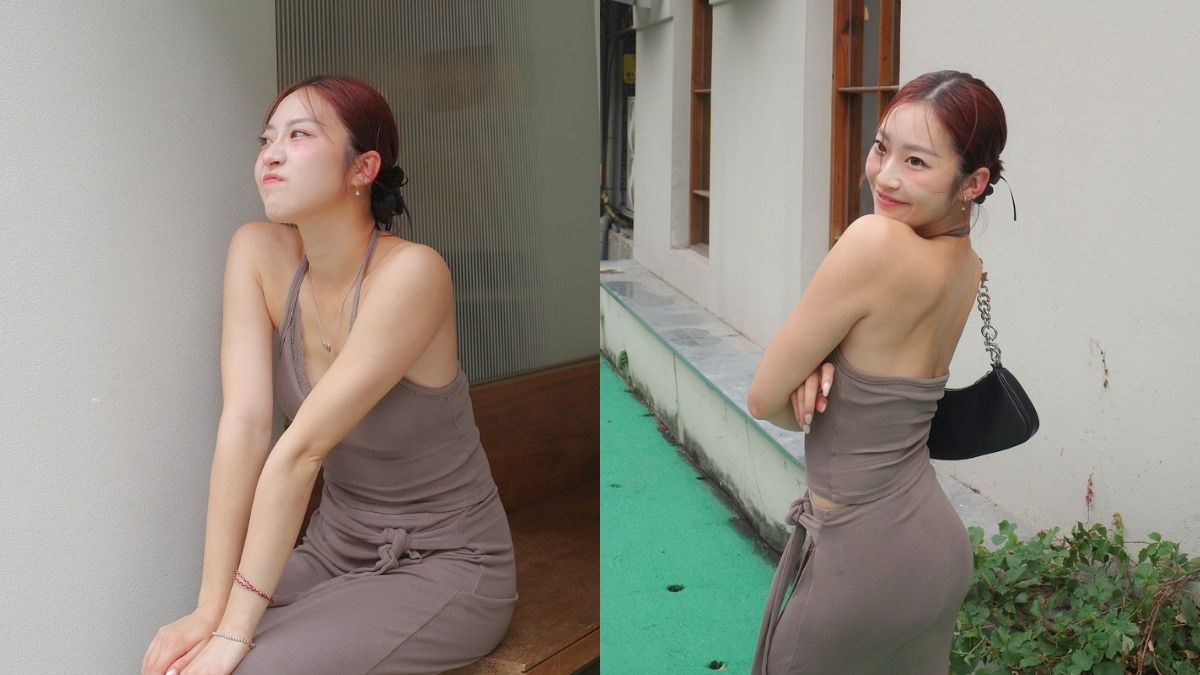
Nicole knows that plenty of people first find her through her looks, her dance videos, or a tagline like "the most beautiful English teacher." She doesn't resent the first impression — getting noticed usually starts somewhere simple.
Some people stop scrolling for a dance video. Some remember her as the English teacher. Some are drawn in first by how she looks on camera. She's in no hurry to push any of it away.
She just hopes people don't stop at the surface — that eventually they see the effort, the character, the values underneath. A label can be a beginning. It shouldn't be where the understanding ends.
The English teacher is real. The dancing is real. Wanting the stage is real, and wanting to matter to her students is real too. These identities weren't assembled to make her look more interesting. They're what she has actually lived.
She doesn't have to cut the teacher out of herself to become a performer. And she doesn't have to disown her looks or her stage presence — the first things people notice — to prove there's depth underneath.
What she's done instead is slowly fit the mismatched-looking pieces together. She can face a classroom and a camera. She can love taking care of people and still want to be seen by more of them. She can treasure what teaching leaves behind and keep chasing what the stage makes possible.
None of it is a contradiction. What she wants is for people to come around to something simple: a label can be a way in, but it shouldn't be the whole story. The real Nicole doesn't fit inside a single title.
To Nicole, being the main character of your own life means making brave choices and owning them — not living forever inside other people's expectations. Which is why she says she never felt more like the main character than the moment she decided to move back to Taiwan and go after her dream.
But that decision didn't turn her into someone else. She didn't shelve the teacher in her because she wanted the stage, and she has never felt her dream was any less complete because she still teaches.
At some point, most of us absorb the idea that we have to make one clean choice — as if moving forward means cutting off who you used to be, as if starting a new road means dropping what you once cared about. Nicole's story argues otherwise.
She kept teaching in her life, and she brought performing into it. One taught her to understand people; the other taught her to express herself. They look nothing alike, and they are both entirely hers.
If she could leave one line for anyone hesitating to begin, it would be this: "You don't have to be fully ready to start." So many abilities are built slowly, in motion. Chasing a dream doesn't have to mean becoming a brand-new person. Sometimes the rarest thing is stepping into a bigger world without dropping the parts that made you feel real in the first place.
A person doesn't have to hold just one identity, and a dream doesn't have to be trimmed into the shape the world finds easiest to read. Keeping teaching and performing both fully alive — maybe that's how Nicole chooses a life entirely her own.
All content and images in this article are published with the interviewee's prior authorization.