TODAY 07.16 ✦ New-Generation Chinese-Language Media & Community ✦ TODAY 07.16 ✦ Explore the world with curiosity, document life with attitude! ✦ TODAY 07.16 ✦ New-Generation Chinese-Language Media & Community ✦ TODAY 07.16 ✦ Explore the world with curiosity, document life with attitude! ✦ TODAY 07.16 ✦ New-Generation Chinese-Language Media & Community ✦ TODAY 07.16 ✦ Explore the world with curiosity, document life with attitude! ✦ TODAY 07.16 ✦ New-Generation Chinese-Language Media & Community ✦ TODAY 07.16 ✦ Explore the world with curiosity, document life with attitude! ✦ TODAY 07.16 ✦ New-Generation Chinese-Language Media & Community ✦ TODAY 07.16 ✦ Explore the world with curiosity, document life with attitude! ✦ TODAY 07.16 ✦ New-Generation Chinese-Language Media & Community ✦ TODAY 07.16 ✦ Explore the world with curiosity, document life with attitude! ✦
Not Knowing the Direction Before Starting: VAL CHO's Story of Trying Her Way Through Life
KURIO Editorial|2026/6/1|8 min read
1 / 9
Credit: IG/@valentina_cct
Key Takeaways
•Val first took the stage not for a dream but for stationery sets and new friends; the direction arrived later, bit by bit
Not Knowing the Direction Before Starting: VAL CHO's Story of Trying Her Way Through Life — KURIO
•She didn't truly fall in love with music until fifteen or sixteen, and later found in rap a way to speak as herself in Cantonese
•From Sing! China to teaming up with Yang Kun on Catch the Mic, she has carried Cantonese rap onto a bigger stage
Most of us assume a life needs a direction before it can begin.
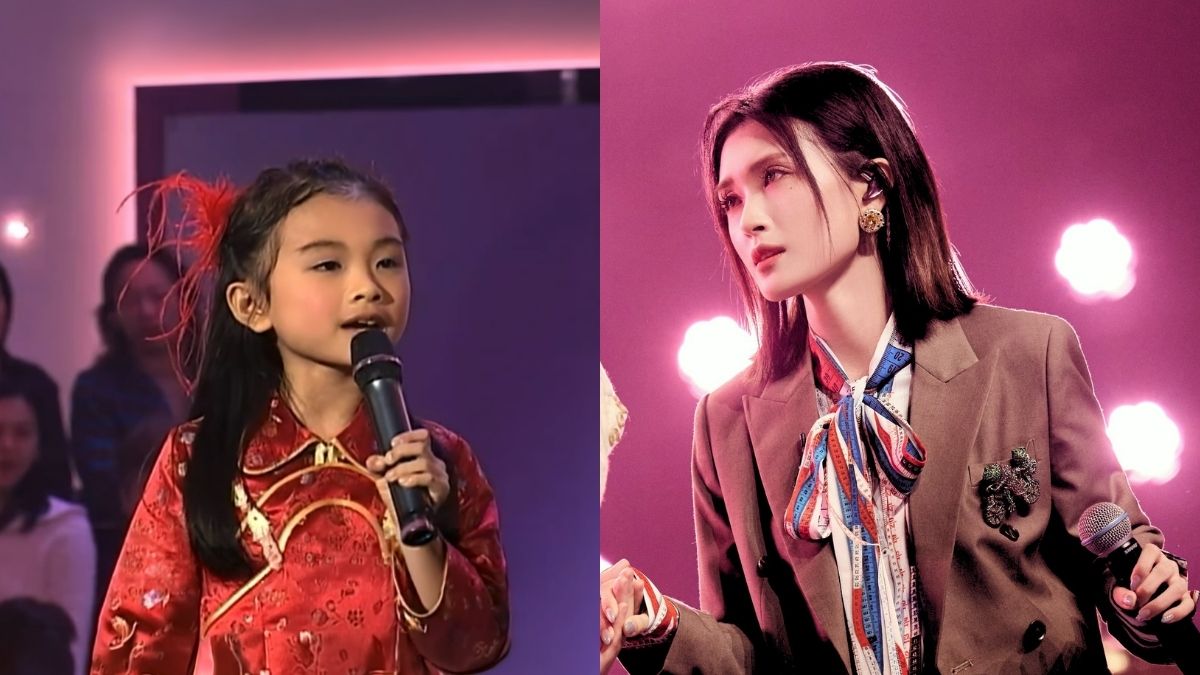
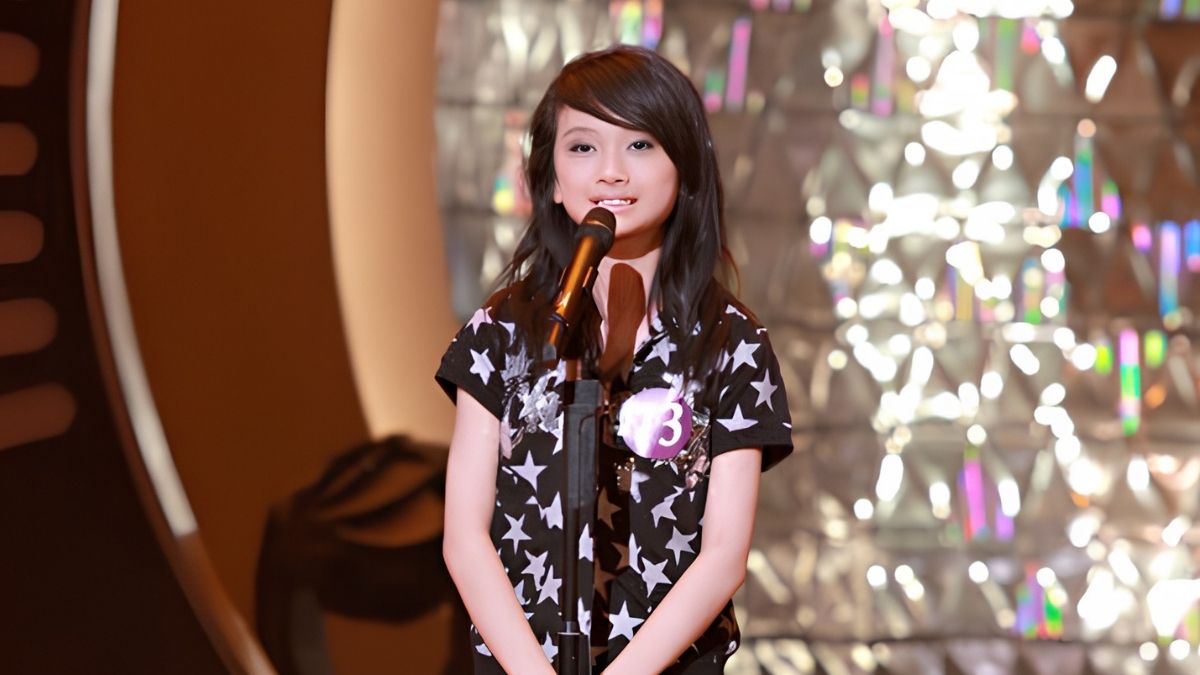
You're supposed to know what you love before it's worth committing to, and be certain of who you want to become before you dare keep going. And when someone has been on stage since she was small, first on a TVB amateur singing show, then a TVB singing competition, then Sing! China and King Maker, and eventually Catch the Mic, it's easy for the outside world to assume she must have had a clear goal from childhood.
But the story of VAL CHO (Chiu Chin-tung) goes nothing like that.
She didn't start out knowing she wanted to make music, and there was no childhood dream of becoming a singer. The first time she walked onto a stage, it wasn't even about being seen. Her mom loved watching her perform, and every competition ended with a stationery set in her hands.
There was no way of knowing, back then, that she was setting off on a very long road. She just sang her songs, collected the stationery, made friends, and grew up a day at a time. Only years later, looking back, did she see that those beginnings, the ones that looked like play, had been quietly carrying her toward where she is now.
Credit: IG/@valentina_cct
Not a Dream, Just Stationery and Friends
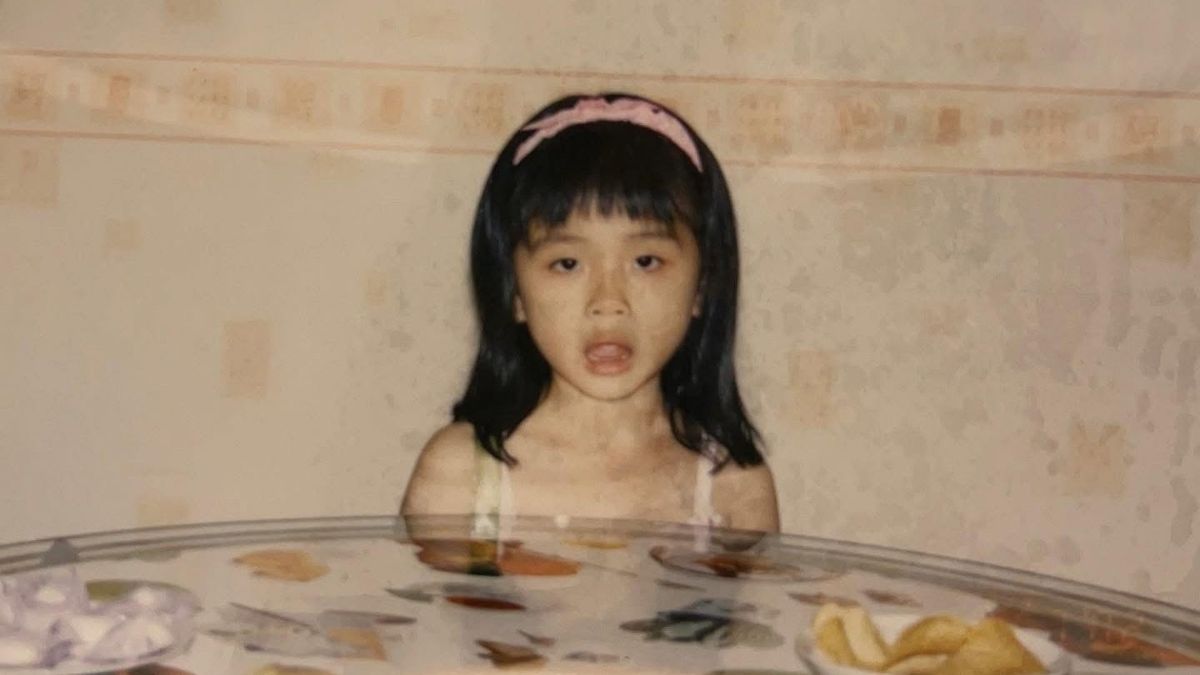
Val first competed on a stage by herself at around six.
It didn't feel like much, she says. It was about the same as singing at home. When you're that young, you haven't learned to be nervous, and a stage is just a stage. With nothing weighing on her, stepping up came naturally.
At first, she entered competitions for the stationery sets. A little older, and the reason became making friends.
Little Val was outgoing and bold. She'd walk right up to people and ask, "Can I be your friend?" She hadn't yet learned to overthink these things: if she wanted to meet someone, she went over; if she wanted a friend, she asked.
So the stage, at the start, was never somewhere to prove herself. It was a way out into the world, a place to meet people.
It's a small beginning, a sweet one even. And that's exactly what makes her story feel true. Not everyone sets out carrying a grand dream. Sometimes you just step out first, and the direction shows up along the way.
Credit: IG/@valentina_cct
Growing Up Without a Map
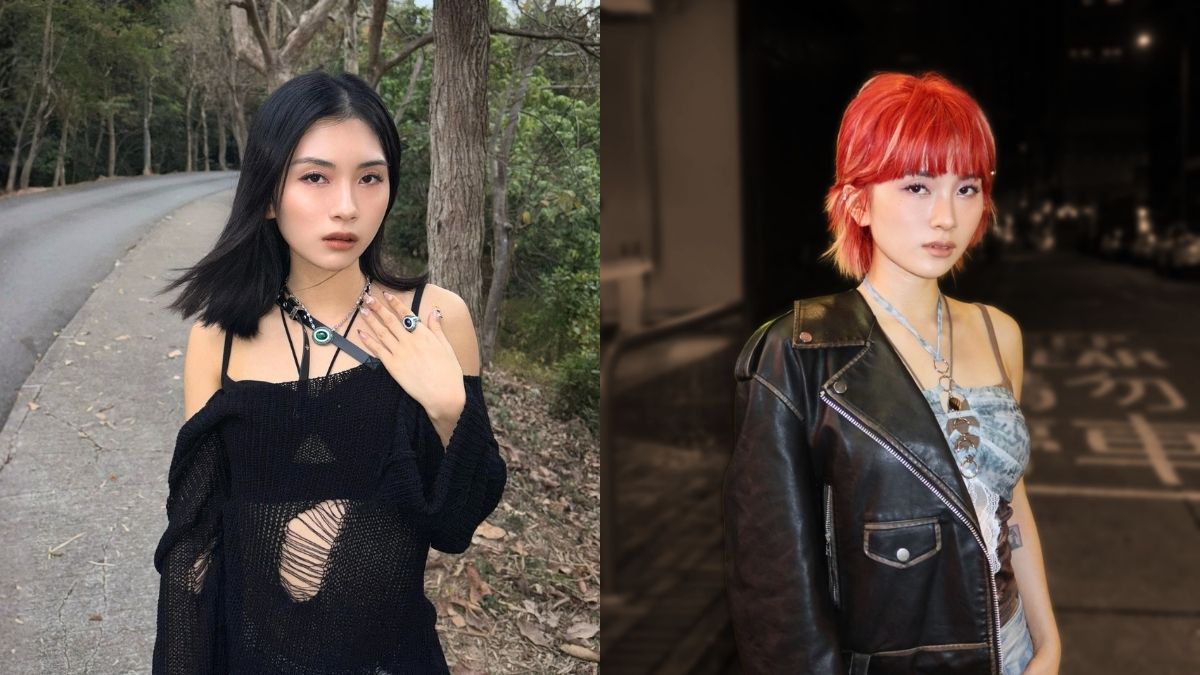
The grown-up Val, if anything, turned out a little quieter.
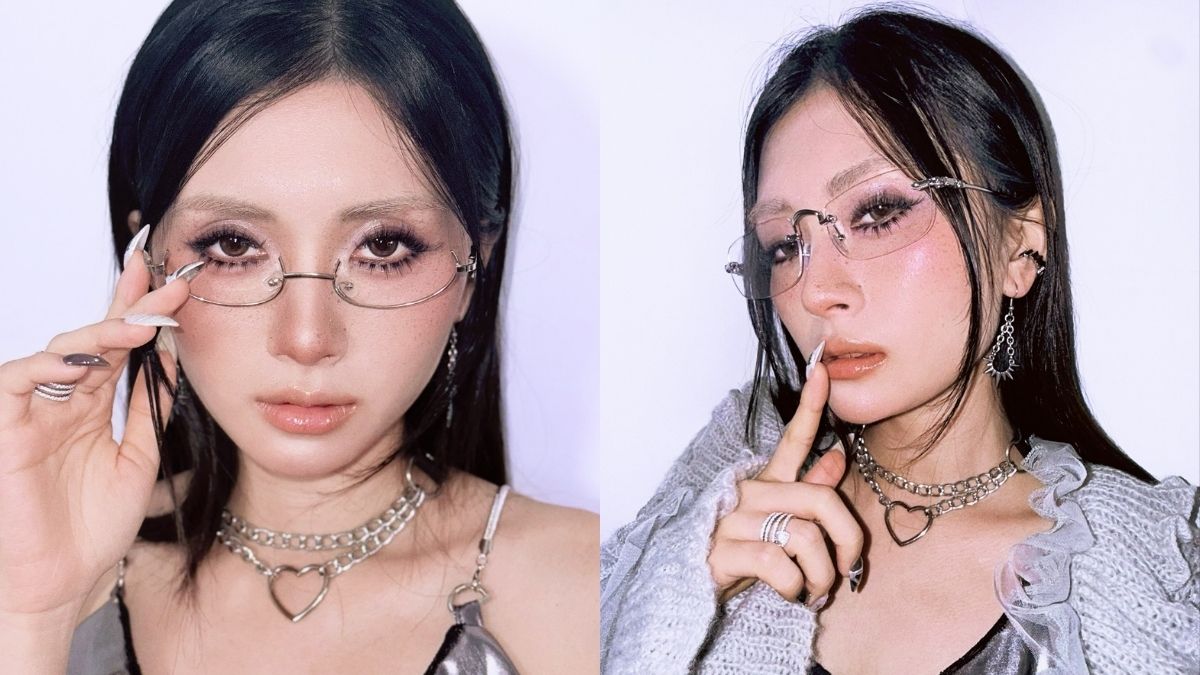
From the outside she can read as distant, hard to approach. People recognize her on the street and don't dare say hello; they DM her on IG afterward to say they'd just spotted her. She laughs that maybe she was simply "born with a distant-looking face."
The real Val talks a lot, and deep down she'd still love a crowd of friends.
The girl who used to ask strangers point-blank to be her friend never fully went away. She just found a quieter way, once she'd grown up, of staying connected to the world.
Her relationship with music worked the same way: nothing was certain at the start. She didn't truly fall for singing until she was fifteen or sixteen.
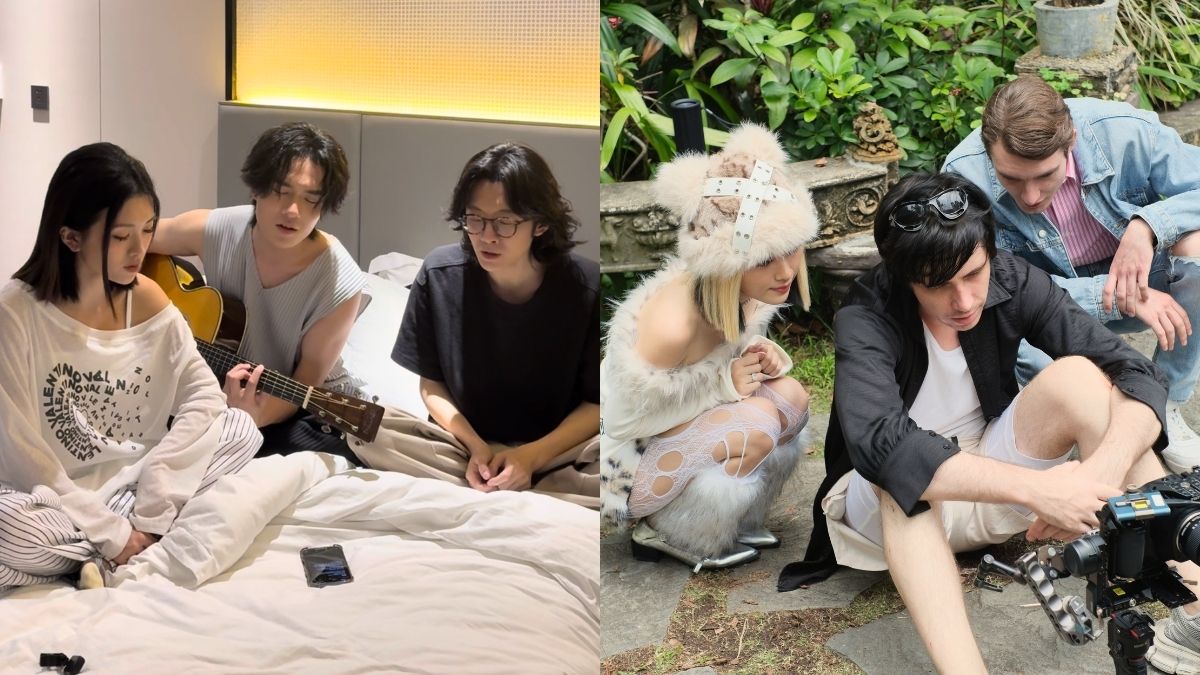
That's when she began writing songs during class. Come recess or the end of the school day, she and her best friend would grab whatever lyrics she'd just finished and sing them any which way. She was finding the styles she actually loved, electronic music above all. And those moments of messing around slowly added up to a discovery: she really did love music.
Some loves don't announce themselves at the start.
They hide in a song you've just learned, in a few lines written down in secret, in afternoons spent singing nonsense with a friend. Then one day you look back and realize it stopped being a casual hobby somewhere along the way. It had become how you say what's inside.
Credit: IG/@valentina_cct
Seeing the Distance
Once you truly love something, you also start to fear you're not good enough for it.
At Sing! China in 2015, Val watched the other contestants and saw how strong they were, and the doubt crept in. She felt she'd have to improve, and fast, to deserve a spot on the same stage.
That wasn't plain insecurity. It was the first time a bigger stage let her see the distance she still had to cover.
A lot of us grow up this way. You start by simply liking something, then slowly learn that liking it doesn't make it easy. The more you love it, the more you care whether you're doing it justice; the more you want to keep going, the more clearly you see how much is left to learn.
Val didn't let it stop her.
She kept trying, kept searching, kept inching toward a voice that sounded more like her own.
Credit: IG/@valentina_cct
Regret, Without the Sob Story
Not that Val has been spared disappointment.
There was a stretch when a project came within reach of release and never officially saw the light of day. The song was recorded, the visuals for the MV already worked out, everything looked ready to begin. Then it all simply stopped.
It stung at the time, of course; she'd poured hours and heart into it. But from where she stands now, she's glad it never came out. Listening to that song today, she finds it honestly pretty average.
Another time, she went looking in all seriousness for someone to produce an official MV. What came back was nothing like what she'd pictured, and it became the "primary-school-style MV" everyone would later see.
Her first reaction was a kind of helplessness, with a distinct feeling of having been had. But the more she watched it, the more she found something playful in it. The thing was finished, after all; keeping it locked away felt like a waste.
Looking back now, she just calls it "a joke."
Hand these episodes to someone else and they might harden into heavy defeats. With Val, what's left at the end is always some form of humor. Not because the sadness wasn't real, but because she doesn't want the things that went wrong to hold her in place.
A road that bends isn't a road wasted.
Sometimes it just shows you, more clearly, how you want to walk the next one.
Credit: IG/@valentina_cct
From Singing to Rap: Finding the Words
If singing was the thing Val slowly fell in love with, rap was what she found later: a way of expressing herself that sat closer to the bone.
She was 11 when she started listening to Pitbull and Lil Wayne, and their songs became her doorway into rap. Early on, she wrote mostly in English. Only later did she discover that writing her heart out in Cantonese was the truest way to capture what she thought and felt in the moment.
For her, rap isn't so much a genre as a method: a way to get the things inside her heart said out loud.
Singing can carry emotion. Rap lets her put thoughts, attitude, and inner states down more directly. And once she began rapping in Cantonese, the lines moved closer to her real cadence and her real identity.
From that moment on, music stopped being just a song to sing.
It became a place that could hold her private thoughts, her language, and who she is.
Credit: IG/@valentina_cct
Her Language, on a Bigger Stage
Everything on her mind, Val says, gets shared through her music.
So Cantonese rap, for her, was never a mere technique, and never a cool identity badge. It's the voice she found by degrees: one that could say who she is, and carry her onto bigger stages.
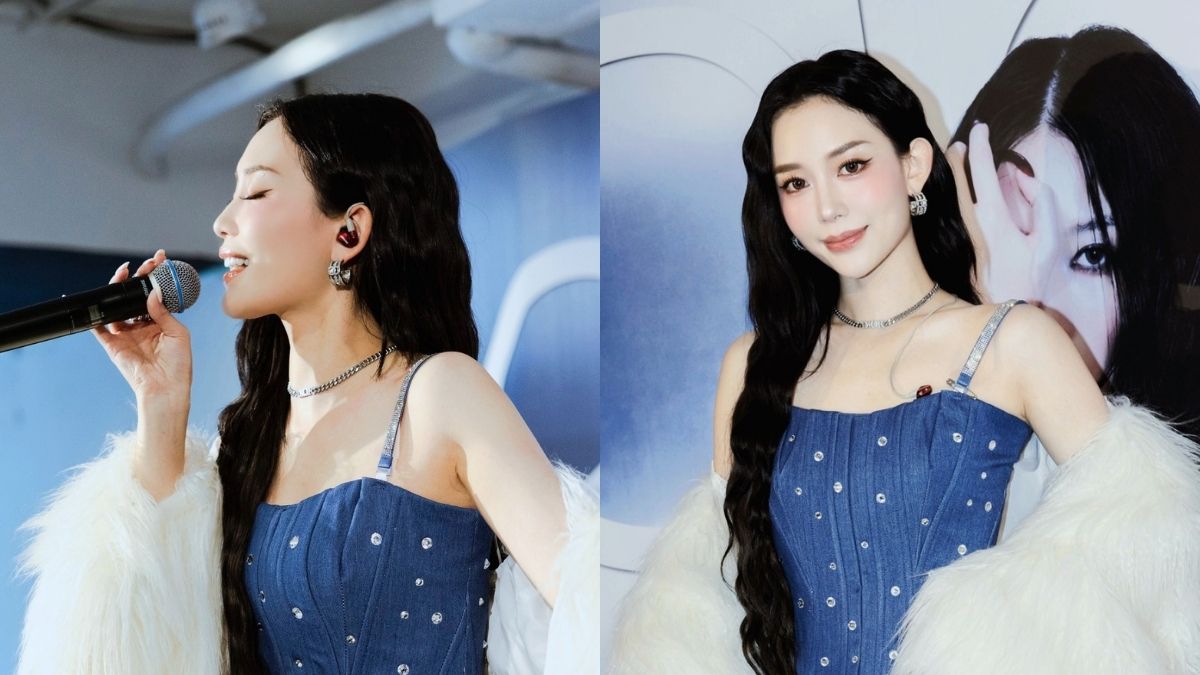
On Catch the Mic, she brought Cantonese rap onto a Chinese stage.
She performed The Answer, Yang Kun's original, but recast it as a rap version spanning two written languages and three spoken ones, then delivered it alongside the original singer himself. She describes the feeling as something out of a dream.
What made that moment matter wasn't only the collaboration with Yang Kun, and it wasn't only the size of the stage.
It was that the girl who had been trying her way forward since childhood had finally carried her own language, her own inner voice, in front of so many more people.
From stationery sets to Cantonese rap.
From taking the stage to make friends, to taking her own language up there with her.
None of it was drawn up in advance. But given enough years, the path slowly grew into the shape of her.
Credit: IG/@valentina_cct
Songs from the Small Stuff
Val's world doesn't stop at the stage. A lot of it is everyday life, with a streak of the happily random.
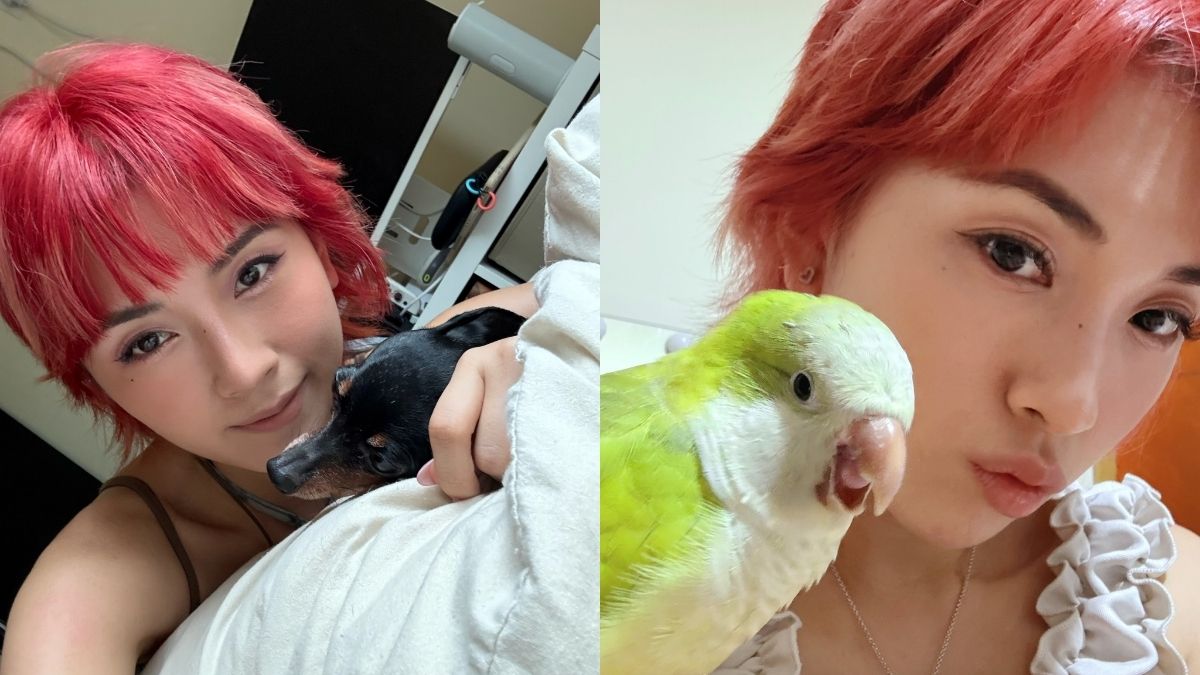
She laughs that she's still holding one more dream: running a small ranch. It sounds like a swerve, yet it makes perfect sense, because she has always loved animals. As a kid, the dream was never to become a big star. It was to be surrounded by animals.
These days her home is full of pets: dogs, birds, turtles, sugar gliders, rabbits, even frogs. To her, those kids are more than a part of daily life. They're another world entirely, a very real one, away from the stage.
Her new song Doggy came about exactly that way: the idea appeared out of nowhere while she was training her dogs.
She wanted to turn dog training into a song. People shoot Reels to music; dogs, she figured, can too.
The idea is very her: a little random, a little playful, and completely sincere.
The way Val lives with her pets makes for its own kind of picture. She'll bury her head under their bellies for ages, she loves the way they smell, and she talks to them nonstop. They must think this woman has something seriously wrong with her, she laughs.
Details like these are why Val is more than a person on a stage. Her work isn't fed only by big moments; it draws just as much from the small, true feelings of an ordinary day.
Like Doggy, some songs don't start from a grand idea. They start from a thought that pops up, unannounced, in the middle of living.
Credit: IG/@valentina_cct
Not Lost, Just in No Hurry
These days, Val treasures every chance to perform more than she ever did.
The stage never used to hold much fantasy or longing for her. Now each performance genuinely matters, and she hopes to step onto bigger stages still.
She wants her music to pull listeners into the world of her imagination, and she wants her songs to keep people company through the different seasons of their lives.
Further out, she hopes one day to talk about faith through music. She knows there's no rush on that plan, so for this stage she'll make more mainstream songs first, bring her music into the mainstream market, and let the message of faith surface quietly inside the work.
Taking it one step at a time isn't the same as having no direction.
And going with the flow doesn't mean nothing matters to her.
She simply never turned her life into a rigid timetable. Within each stage, slowly, she watches the next step take shape.
Credit: IG/@valentina_cct
Playing the Lead, No Script Required
Asked what she'd say to anyone still lost, still unsure what they love, Val offers this:
"Step out of your comfort zone. Only after you've stepped out will you see the world you haven't seen."
The line could double as a description of her whole journey. Not every step was certain, and she rarely knew at the outset where a road would take her. But uncertainty never kept her standing still.
We tend to believe the answer has to come before the beginning. Life often works the other way around. Step out first, and more choices come into view. Try first, and you learn what fits you. Leave the familiar spot first, and slowly you start to hear the voice that's truly your own.
Becoming the lead in your own life doesn't have to mean starting out with a clear script in hand.
Sometimes it happens across one unplanned-looking attempt after another, as you slowly learn to choose yourself.
Val's story is not a "knew her dream since childhood" story.
It's a reminder instead: feeling lost isn't necessarily wasted time. And uncertainty can be its own proof that a person is growing.
All content and images in this article are published with the interviewee's prior authorization.
VAL CHO is a singer-songwriter and rapper from Hong Kong. She started joining singing competitions at six and has appeared on shows including Minutes to Fame, The Voice (TVB), Sing! China, King Maker, and Catch the Mic, known for using Cantonese rap to express what's truly inside her.
▶What's VAL CHO's musical style?
She first encountered rap at eleven, inspired by Pitbull and Lil Wayne, initially writing English rap. She later discovered that writing in Cantonese best expressed her views and emotions. For her, singing carries emotions while rap lets her more directly write down her thoughts, attitudes, and identity.
▶What did VAL CHO do on Catch the Mic?
On the stage of Catch the Mic, she reworked Yang Kun's original song The Answer into a trilingual rap version mixing Cantonese, Mandarin, and English, and performed it together with the original singer himself, bringing Cantonese rap onto a Chinese stage.
▶What's the inspiration behind the new song Doggy?
Doggy was inspired by VAL's experience of training her dogs. She loves animals. At home she has dogs, birds, turtles, sugar gliders, rabbits, and even frogs, and wanted to turn the process of dog training into a song people can use when filming Reels with their pets.